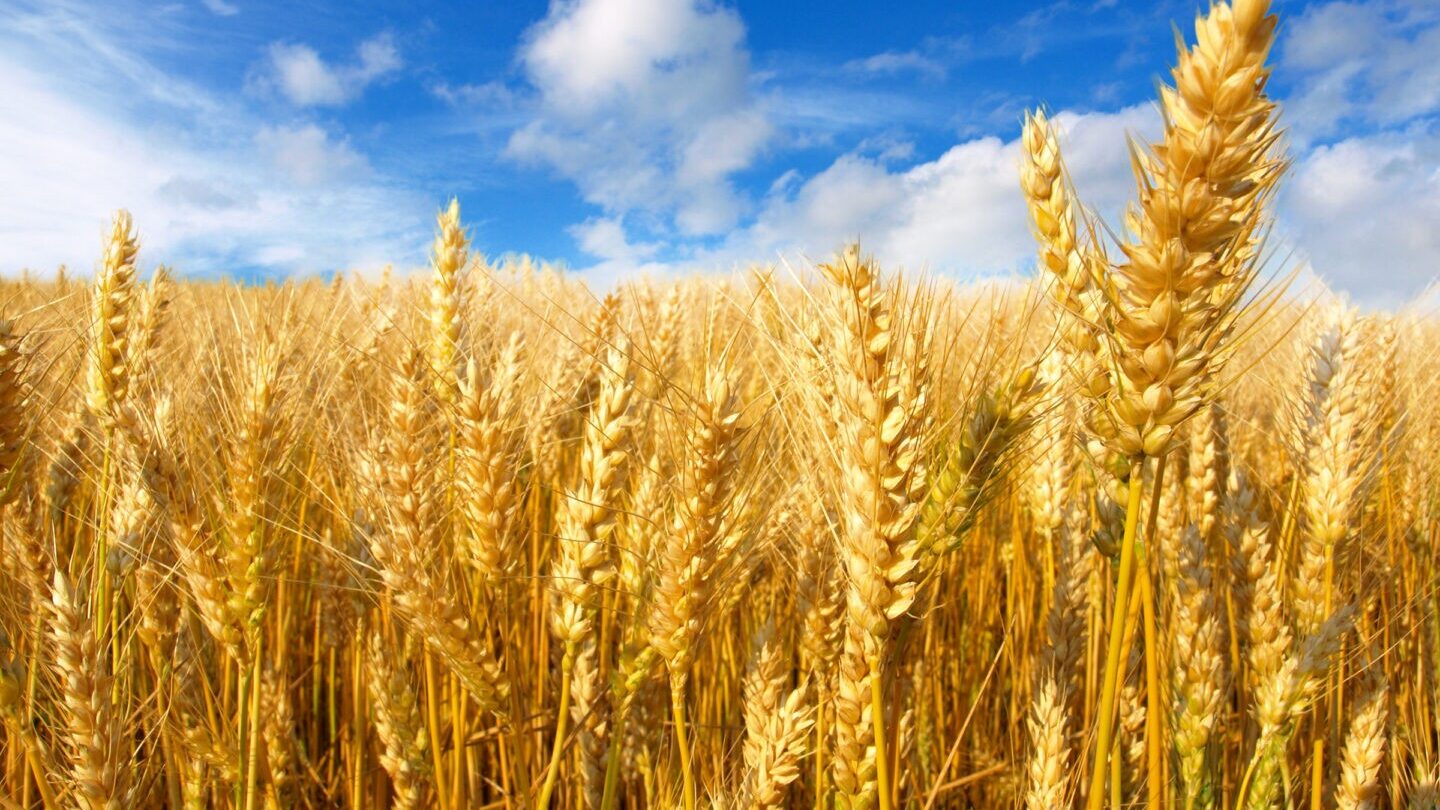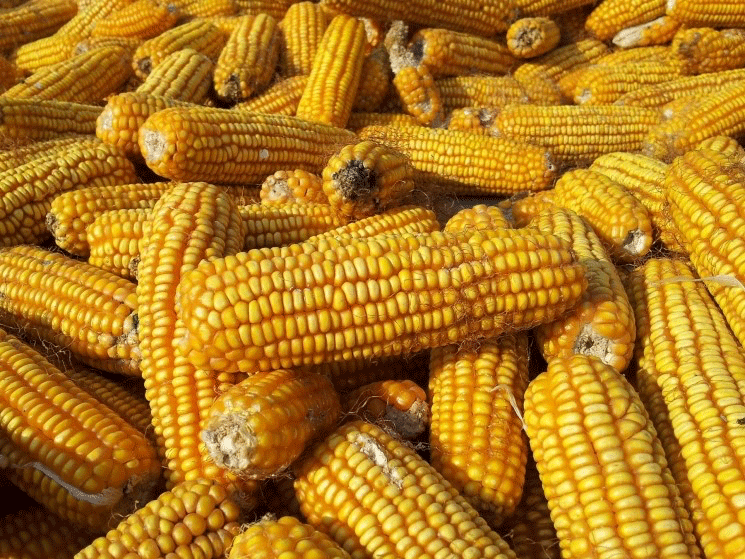
A draft protocol from a Russian government subcommittee, published by the Russian Grain Union, has revealed a pivotal potential shift in the country’s agricultural trade policy for 2026. The document proposes establishing a grain export quota of 20 million metric tonnes (MMT), to be in effect from February 15 to June 30. Crucially, this quota is expected to cover key commodities: wheat and meslin (a wheat-rye mixture), barley, and corn, while maintaining a zero quota for rye. This represents a substantial framework expansion compared to the 2025 system, which applied only a 10.6 MMT quota to wheat and zero quotas on barley and corn. The proposed 20 MMT figure is not yet finalized and could be adjusted during the preparation of the final government decree, particularly concerning regional quota allocations. The draft also suggests modifying the allocation mechanism to include shipments to other Eurasian Economic Union (EAEU) member states (Armenia, Belarus, Kazakhstan, Kyrgyzstan) in the calculation of a company’s “historical” export volume for quota distribution.
The context for this policy is Russia’s dominant and growing role as the world’s top wheat exporter. In the 2024/25 season, Russia exported an estimated 53 MMT of total grain, including approximately 44 MMT of wheat. The Ministry of Agriculture forecasts an export potential of around 50 MMT for the current season. The quota system, first implemented in 2021, is a market management tool designed to prevent domestic price inflation by ensuring sufficient supply remains within the country during the key late-winter to early-summer period. By potentially introducing quotas for barley and corn—which were freely exported in recent seasons—the government is signaling a more comprehensive approach to controlling the outflow of all major grains. The timing of the quota (mid-February to end of June) is strategically set to cover the period of peak export activity following the harvest, aiming to smooth out the supply flow and dampen global price volatility that Russian exports can cause.
The proposed 20 MMT export quota for 2026 represents a significant evolution of Russia’s grain trade policy, moving from a focused wheat restriction to a broader cap on its major export cereals. If implemented, this policy will introduce new layers of complexity for international traders and create a more predictable, but potentially constrained, supply window from the world’s largest wheat exporter. For farmers, the quota could provide support for domestic prices in the first half of the calendar year but may also lead to logistical bottlenecks and basis volatility as exporters rush to fill their allocated volumes. The suggestion to include EAEU exports in quota calculations is a notable detail that could advantage companies with established trade networks within the union. Ultimately, this draft underscores the Russian government’s intent to assert greater control over its agricultural export economy, using quotas not just as a tool for domestic food security but as a lever to manage its immense influence on the global grain market.
Error