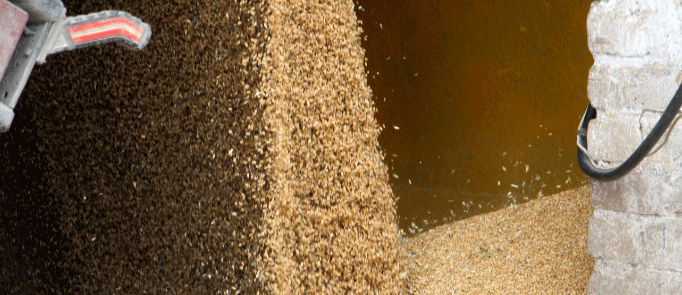
In Russia’s Belebeevsky District, agricultural exports are continuing despite significant weather challenges that have complicated the 2025 harvest season. Persistent rains have dramatically slowed harvesting pace, yet the Pritutovo elevator continues to receive and process grain for export markets. At the peak of harvest, the facility faced convoys of 40-50 heavy trucks lined up each morning, delivering grain from multiple regions despite the adverse weather conditions that have characterized this year’s harvest period.
The elevator, operated by Bashkir Elevator LLC, has implemented extended operating hours from 8:00 AM to midnight to accommodate the ongoing harvest. The facility maintains strict quality control protocols, particularly regarding quarantine weed seeds, rejecting any contaminated batches at the gate. According to Executive Director Vitaly Dotkov, the elevator serves farms from multiple districts in the republic and Orenburg Region, with material and technical capacity designed for receiving, processing, and storing 131,000 tons of grain. Despite weather challenges, the facility continues to export up to 14 railcars daily, each with a capacity of 75 tons, totaling approximately 1,050 tons of daily export volume.
The operation employs approximately 70 workers, including long-term veterans and an increasing number of young employees attracted by improved wages. Compensation ranges from 40,000-50,000 rubles during winter and spring months to significantly higher rates during harvest season, supplemented by a 13th-month salary and sanatorium benefits for production veterans. This investment in human resources comes alongside substantial equipment modernization, with over 10 million rubles allocated for technological upgrades in 2025.
The situation in Belebeevsky reflects broader challenges affecting Russian agriculture. According to Rosstat data, 2025 harvest progress is approximately 15-20% behind 2024 levels in many regions due to weather conditions. However, Russia’s grain export momentum continues, with total exports for the 2024/2025 season projected at 53 million tonnes despite the slower harvest pace. The ability of facilities like the Pritutovo elevator to maintain operations during challenging conditions highlights the resilience of Russia’s agricultural export infrastructure.
The Pritutovo elevator’s operation during difficult harvest conditions demonstrates the critical importance of adaptable grain handling infrastructure, rigorous quality control, and invested human capital in maintaining agricultural export flows. Despite weather-related harvest delays, the facility’s capacity to process and export grain highlights how strategic investments in both technology and workforce can buffer against production uncertainties. For agricultural professionals worldwide, this case offers valuable insights into managing export operations during volatile growing seasons, emphasizing that infrastructure quality and operational flexibility are just as important as production volume in maintaining market access and reputation. As climate variability increases, such adaptable systems will become increasingly valuable for agricultural economies dependent on export markets.
Error