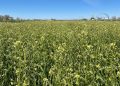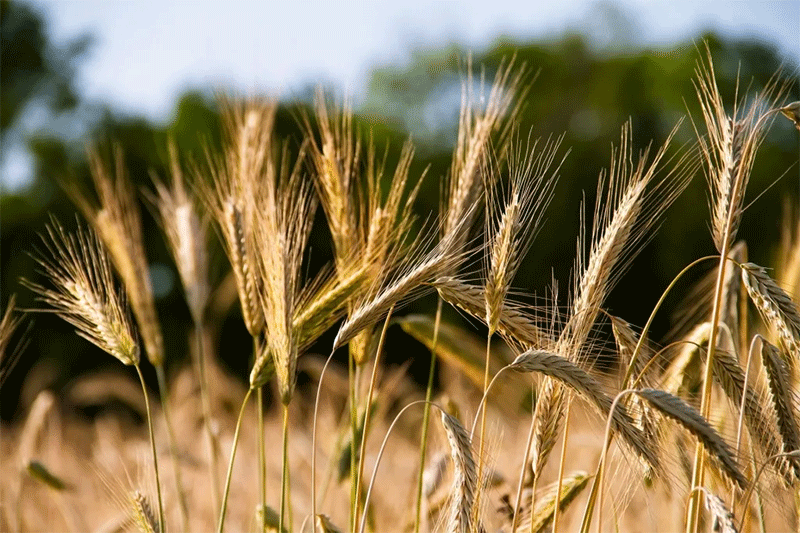
Governor Roman Busargin recently announced Saratov farmers have harvested 3 million tons of grain in 2025, marking a significant recovery from previous drought-affected seasons. Key highlights include:
- Average yield: 24.2 q/ha (2.42 t/ha), up from 18.1 q/ha in 2024 (+34% increase)
- Harvest pace: Accelerated from 1 million tons by July 23 to current totals
- Top-performing districts:
- Kalininsky: 200,000 tons (volume leader)
- Yekaterinovsky: 185,000 tons
- Arkadaksky: 40 q/ha (4.0 t/ha yield leader)
Climate Resilience Behind the Numbers
The improved yields reflect several adaptive strategies:
- Drought-resistant varieties:
- Adoption of new wheat cultivars with 20% lower water requirements
- Sorghum and millet expansion on marginal lands
- Precision farming adoption:
- Soil moisture sensors now cover 35% of cropland (up from 12% in 2020)
- Variable-rate seeding optimized planting density
- Soil conservation:
- No-till systems on 28% of grain area (Saratov Ag Ministry)
- Cover cropping to retain winter moisture
Regional Comparison: Volga Agricultural Revival
Saratov’s performance contributes to broader Volga Federal District trends:
- Total 2025 grain harvest: 48 million tons (projected)
- Yield recovery: Most districts showing 25-40% improvements over 2024
- Export potential: Volga ports handling 12% more grain this season
Challenges Remain
Despite progress, farmers face:
- Irrigation limitations: Only 8% of Saratov cropland is irrigated
- Heat stress: July temperatures averaged 3°C above normal
- Input costs: Fertilizer prices remain 22% higher than pre-2022 levels
A Model for Risk Management
Saratov’s 2025 harvest demonstrates how targeted agronomic adaptations can overcome climate volatility. Key lessons for similar regions:
- Genetic improvements pay dividends in marginal growing areas
- Technology adoption must accelerate to maintain gains
- Policy support for water infrastructure remains critical
As climate patterns become less predictable, Saratov’s experience offers valuable insights for dryland farming systems worldwide.
Error