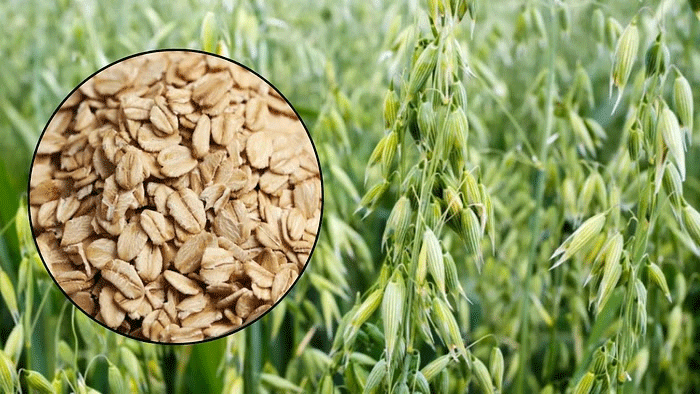
Revolutionizing Oat Production: HAU’s High-Performance Varieties
Oats (Avena sativa) are a critical forage crop for livestock, particularly dairy animals, due to their high nutritional value. However, India faces a 11.24% deficit in green fodder and a 23.4% deficit in dry fodder (ICAR, 2023). To bridge this gap, Chaudhary Charan Singh Haryana Agricultural University (HAU) has introduced three high-yielding oat varieties tailored for diverse agro-climatic zones.
Key Varieties and Their Advantages
- HFO 917 (Dual-Purpose: Forage + Seed)
- Green Fodder: 192 q/ha
- Dry Fodder: 28 q/ha
- Seed Yield: 8 q/ha
- Protein Content: 4% (ideal for Northwest India)
- HFO 1014 (Dual-Purpose)
- Green Fodder: 185 q/ha
- Dry Fodder: 28 q/ha
- Seed Yield: 3 q/ha
- Protein Content: 5%
- HFO 915 (Multi-Cut, High-Protein)
- Green Fodder: 234 q/ha (highest among the three)
- Dry Fodder: 50 q/ha
- Seed Yield: 7 q/ha
- Protein Content: 10% (superior for dairy nutrition)
Regional Suitability
- HFO 917 & HFO 1014: Ideal for Haryana, Punjab, Rajasthan, Uttarakhand, Eastern UP, Bihar, Jharkhand, and Assam.
- HFO 915: Best suited for Himachal Pradesh and Jammu & Kashmir (cold climates).
Benefits for Farmers & Dairy Producers
- Higher Productivity: HFO 915 offers 234 q/ha green fodder, significantly above the national average (120–150 q/ha for traditional varieties).
- Cost-Effective: Reduced input costs with better disease resistance and adaptability.
- Improved Livestock Nutrition: High protein content (up to 10%) enhances milk yield and animal health, addressing India’s fodder crisis.
HAU’s new oat varieties mark a major leap in sustainable fodder production, offering farmers higher yields, better nutrition for livestock, and greater profitability. With climate resilience and regional adaptability, these varieties could transform India’s dairy and forage sectors.
Error