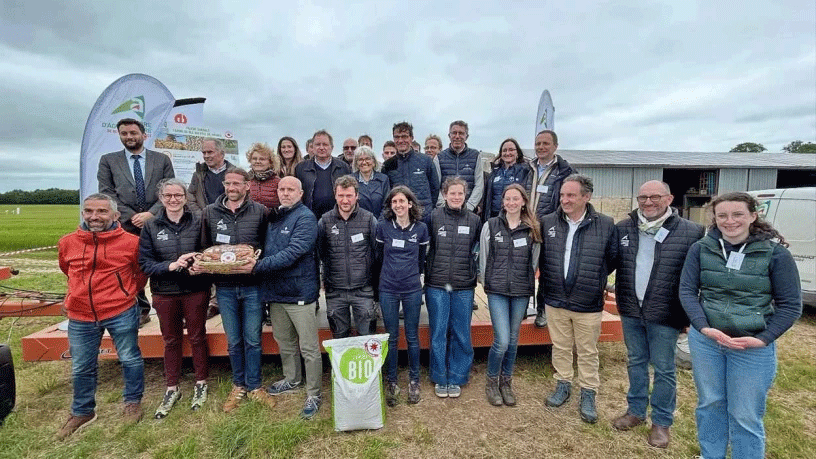
The Chambre d’agriculture de région Île-de-France recently inaugurated an organic wheat flour supply chain in Nanteau-sur-Essonne (Seine-et-Marne), marking a significant step toward regional food sovereignty. According to project leaders, this initiative not only creates added value for local farmers but also responds to growing consumer demand for organic products.
Experimental Platform and Collaborative Commitment
A key component of this project is an experimental platform in Nanteau-sur-Essonne, managed by Christophe Séjourné, a farmer cultivating 205 hectares across organic farming, conventional crops, and market gardening. This site is the first of five planned experimental hubs aimed at optimizing organic wheat production.
During the launch, the “filière blé farine bio d’Île-de-France” charter was signed by the Chambre d’agriculture, the Île-de-France region, and 15 partners, reinforcing a collective commitment to sustainable agriculture.
Ambitious Targets by 2027
The supply chain aims to:
- Produce 13,000–15,000 tons of organic wheat (out of the current 40,000 tons grown regionally).
- Ensure farmers are paid above production costs, securing long-term viability.
This model aligns with broader trends in organic agriculture. According to Agence BIO (2023), organic farmland in France has grown by 17% since 2020, with wheat being a key driver. Meanwhile, consumer demand for organic flour continues to rise, with 75% of French households purchasing organic products in 2023 (Statista).
The Seine-et-Marne initiative demonstrates how regional collaboration can strengthen food sovereignty while improving farm profitability. If successful, it could serve as a blueprint for other regions seeking to balance sustainability, farmer income, and consumer demand.
Error