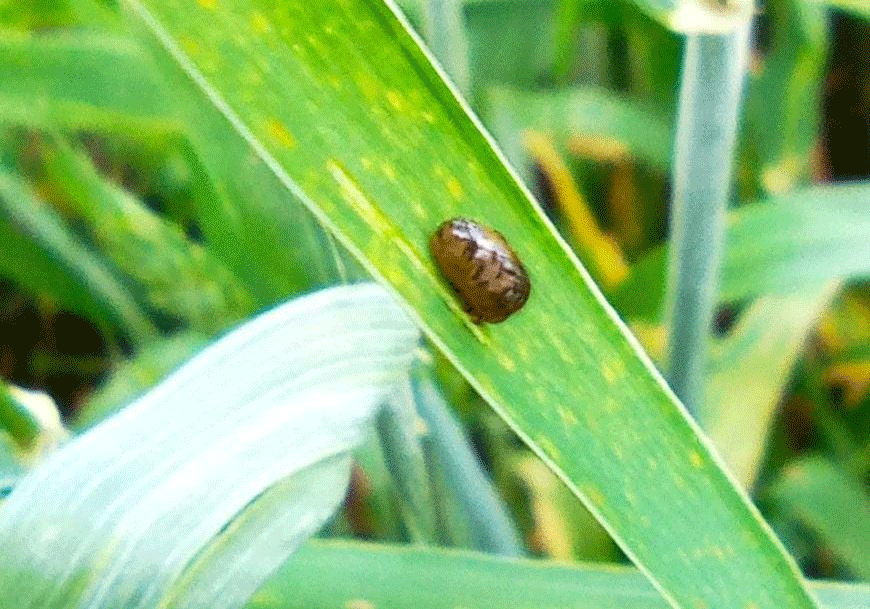
Recent phytosanitary surveys in Rostov Oblast have identified an infestation of the red-breasted leaf beetle (Oulema melanopus), a destructive pest known for damaging cereal crops. The larvae feed on leaves, reducing photosynthetic capacity and grain yield—particularly under hot, dry conditions, which accelerate their development.
Economic Thresholds and Damage Levels
According to the Rosselkhozcenter branch in Rostov, the economic thresholds (ET) for this pest are:
- Winter cereals: 0.5 larvae per stem or 10–15% leaf damage.
- Spring cereals: 0.5 larvae per stem or 10% leaf damage.
Globally, similar outbreaks have been reported in Europe and North America, with yield losses reaching 10–30% in untreated fields (FAO, 2023). Climate change exacerbates the problem, as warmer temperatures expand the pest’s reproductive cycles (Journal of Applied Entomology, 2024).
Recommended Control Measures
- Insecticide Treatments:
- Apply approved insecticides when thresholds are exceeded.
- Rotate active ingredients to prevent resistance (e.g., switching between pyrethroids and neonicotinoids).
- Strengthening Plant Immunity:
- Humic acid-based fertilizers and microbial biostimulants improve stress resistance and reduce pesticide toxicity.
- Microbial fungicides should not be mixed with bactericidal chemicals.
- Integrated Pest Management (IPM):
- Regular field monitoring and early detection are critical.
- Biological controls, such as parasitoid wasps (Tetrastichus julis), have shown promise in Europe (CABI, 2023).
The red-breasted leaf beetle poses a serious threat to Rostov’s grain production, requiring immediate action. Farmers should prioritize monitoring, adhere to economic thresholds, and adopt integrated strategies—combining chemical, biological, and agronomic solutions. Sustainable practices, including resistant crop varieties and precision spraying, will be vital in long-term pest management.
Error