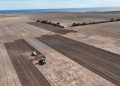
Farmers in Rostov Oblast are gradually reducing wheat cultivation, opting instead for niche crops such as safflower, flax, lentils, and chickpeas. The reason? Higher profitability. While wheat remains a staple, its margins have shrunk, pushing farmers toward more lucrative alternatives.
Declining Wheat Profitability Drives Crop Diversification
According to farmers and regional officials, wheat is no longer the high-margin crop it once was. Mustafa Aflatov, commercial director of the export company Zernoline, confirms that farmers are increasingly experimenting with niche crops. “Wheat is no longer as profitable, so agronomists are turning to more complex crops. In the near future, we expect expanded cultivation of safflower, flax, lentils, and chickpeas in the region,” he says.
Globally, demand for pulses and specialty grains is rising. The FAO reports that global pulse production reached 90 million tons in 2023, with trade volumes growing steadily due to their nutritional benefits and use in plant-based diets. Prices for lentils and chickpeas remain 3-4 times higher than wheat, making them attractive alternatives for farmers.
Export Challenges: Lack of Container Shipping Options
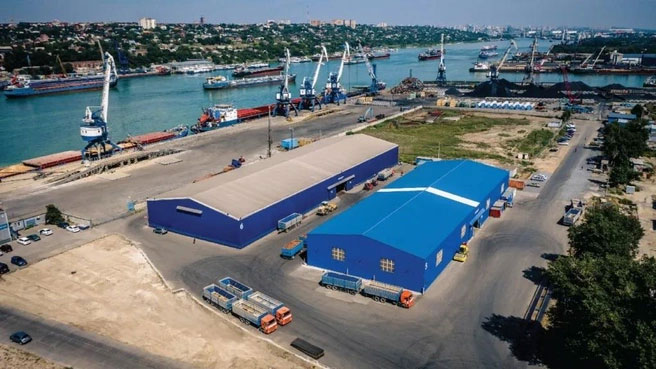
Despite strong demand, Rostov’s farmers face logistical barriers. Currently, niche crops must be transported to Novorossiysk port for export, as Rostov lacks direct container shipping lines. “African markets want these crops, but we can’t ship directly from Rostov,” explains Aflatov.
Olga Gorbanyova, First Deputy Minister of Agriculture for Rostov Oblast, acknowledges the issue: “We previously had container shipping options, but foreign carriers left due to geopolitical and sanctions-related reasons.” Without infrastructure improvements, farmers remain dependent on distant ports, increasing costs and reducing competitiveness.
The Future: Lower Wheat Yields and Potential Supply Risks
Andrey Sizov, Director of SovEcon, warns that Russia’s wheat sector faces deeper challenges. “Not only are wheat acreages declining, but yields are falling faster due to cost-cutting on inputs like fertilizers.” He predicts two possible scenarios:
- Gradual decline in wheat production due to reduced investment.
- A major crop failure if extreme weather strikes.
Opportunities and Obstacles Ahead
Rostov’s shift toward niche crops reflects global agricultural trends, where farmers seek higher-value alternatives to traditional grains. However, without improved export logistics—such as attracting Turkish container carriers—the region’s potential remains untapped. For now, farmers must balance opportunity with the reality of limited infrastructure.
Error