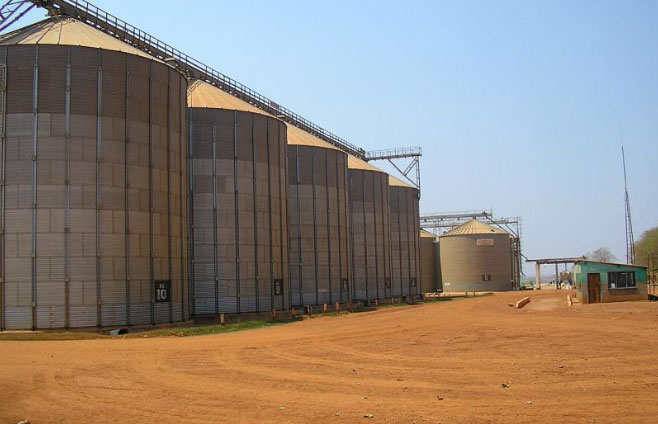
From January 9 to April 30 this year, agricultural companies in Bashkortostan exported around 90,000 tons of grain and grain-based products, according to regional monitoring bodies. This growth aligns with Russia’s broader push to expand non-oil exports under the “International Cooperation and Export” national project, which aims to increase non-commodity exports by 70% by 2030 compared to 2020 levels.
Key Exports and Destinations
Bashkir farmers have found strong demand in Eurasian Economic Union (EAEU) countries, the EU, and beyond, with shipments including:
- 17,000+ tons of flax
- 4,700 tons of wheat
- 3,000 tons of barley
- 3,000 tons of rapeseed
- 1,120 tons of mustard
- 640 tons of safflower
- 570 tons of vetch and other legumes
Major importers include Azerbaijan, Belarus, Belgium, Germany, India, Kazakhstan, China, Turkey, and Switzerland, highlighting the global reach of Bashkir agricultural products.
Quality Assurance and Phytosanitary Controls
To ensure compliance with international standards, 2,011 batches of quarantine-sensitive products underwent rigorous testing—covering herbological, entomological, helminthological, and mycological analyses—at the Bashkir Testing Laboratory (under Rosselkhoznadzor). All shipments received phytosanitary certificates, reinforcing the reliability of Bashkir exports.
Future Growth Prospects
With global demand for flax and oilseeds rising (global flaxseed market projected to grow at 5.2% CAGR from 2023-2030), Bashkiria is well-positioned to capitalize. Additionally, Russia’s wheat exports hit a record 67 million tons in 2023/24, and regional players like Bashkortostan are contributing to this momentum.
Bashkiria’s agricultural sector is successfully expanding into diverse international markets, supported by strict quality controls and strategic national export initiatives. With rising global demand for grains and oilseeds, the region is poised to play an even bigger role in Russia’s agro-export growth by 2030.
Error