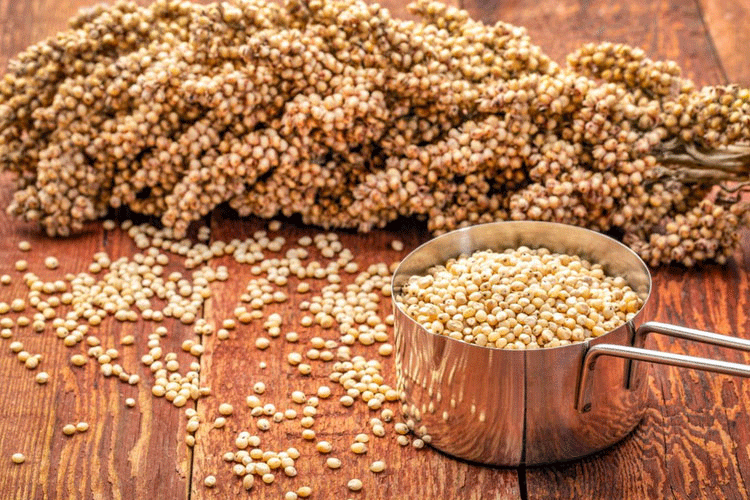
Sorghum (Sorghum bicolor), a member of the Poaceae family, is one of the world’s oldest cultivated grains, with archaeological evidence tracing its harvest back to 8,000 BCE in the Sahara region. Today, it ranks as the fifth most produced cereal globally, with annual production exceeding 60 million metric tons (FAO, 2023). Its resilience in arid and semi-arid regions makes it a critical crop for food security in Africa, India, and increasingly, in drought-prone areas worldwide.
Nutritional Powerhouse
Dubbed a superfood, sorghum is rich in:
- Protein (10g per ½ cup) – vital for tissue repair and muscle health.
- Fiber (6.5g per ½ cup) – supports gut health and microbiome balance.
- Micronutrients: Iron, magnesium, B vitamins, zinc, and antioxidants like polyphenols, which combat oxidative stress (USDA, 2023).
- Gluten-free: A safe alternative for celiac disease patients, driving demand in health-food markets.
Agronomic Advantages
- Drought Tolerance: Sorghum’s deep root system and efficient water use allow it to thrive where other grains fail, requiring 30% less water than maize (ICRISAT, 2022).
- Climate Resilience: With rising temperatures, sorghum’s heat tolerance (up to 40°C) positions it as a key crop for climate adaptation.
- Versatility: Used for grain, syrup, biofuel, and even biodegradable packaging, diversifying farmer income streams.
Challenges & Opportunities
Despite its benefits, sorghum faces low industrial uptake in some regions, as seen in Indonesia’s stalled Dahlan Iskan initiative. However, rising global demand for sustainable and nutrient-dense foods presents a market opportunity. The global sorghum market is projected to grow at 4.1% CAGR (2023–2030), driven by health trends and climate-smart agriculture (Grand View Research, 2023).
Sorghum is more than an ancient grain—it’s a solution for modern challenges, from malnutrition to climate change. Farmers and agronomists should consider integrating sorghum into crop rotations for its low input requirements, high nutritional output, and market potential. With targeted policy support and industry collaboration, sorghum could become a cornerstone of sustainable agriculture.
Error