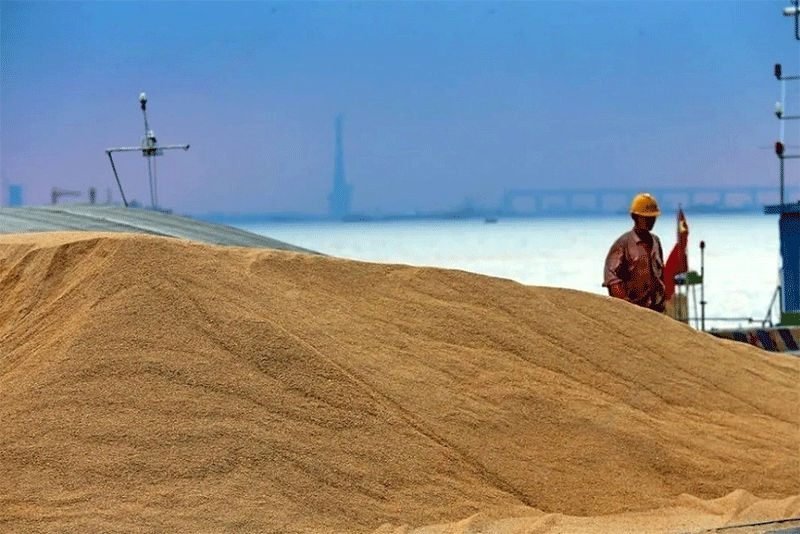
According to data presented by Tatiana Menlikieva, Director of the Federal Center for Assessment of Agricultural Product Safety and Quality (ROSNG) branch in Tatarstan, Russia supplied nearly 64 million tons of grain and processed grain products to 40 Muslim-majority countries in the past year. The announcement was made at the “Russia – Islamic World: KazanForum” international economic forum (TASS, 2024).
Key Export Destinations and Crop Breakdown
- 74% of exports (47.4 million tons) went to eight major markets:
- Algeria, Bangladesh, Egypt, Iran, Kazakhstan, Libya, Saudi Arabia, and Turkey.
- Wheat dominated exports at 44 million tons, shipped to 36 Islamic countries.
- Barley followed at 6.6 million tons, though specific importers were not disclosed.
- The remaining 13+ million tons consisted of other grains and processed products.
Recent Export Decline: A Concern?
Menlikieva noted a sharp drop in Q1 2024 exports—11 million tons compared to 24 million tons in the same period last year. Potential reasons include:
- Logistical bottlenecks (Black Sea shipping disruptions, sanctions-related challenges).
- Increased domestic stockpiling due to market uncertainties.
- Competition from alternative suppliers (Ukraine, EU, Australia).
Implications for Agricultural Stakeholders
- Farmers & Agronomists: Focus on high-demand crops (wheat, barley) while optimizing yields under climate pressures.
- Exporters & Traders: Diversify logistics routes (e.g., Caspian Sea corridors, rail to Central Asia).
- Scientists & Engineers: Develop drought-resistant wheat varieties to maintain export competitiveness.
Russia remains a critical grain supplier to Muslim-majority nations, but recent declines highlight vulnerabilities in trade stability. Strengthening logistics, improving crop resilience, and expanding market access will be key to sustaining this vital export sector.
Error