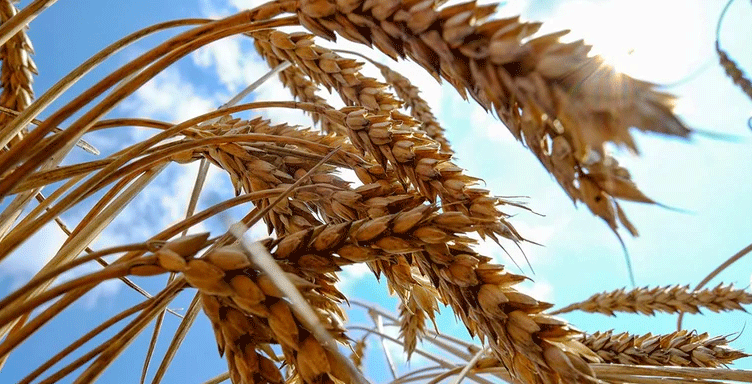
Wheat Prices Decline Amid Improved Crop Prospects
Wheat futures have fallen to their lowest point in nine months, pressured by expectations of strong harvests in major exporting nations. According to Bloomberg, this decline comes as the Northern Hemisphere prepares for harvest season, with key producers like the U.S. and Russia reporting better-than-expected growing conditions.
Rain Brings Relief to Key Wheat Regions
Recent forecasts predict heavy rains in the Black Sea region, improving soil moisture after earlier dry spells and cold snaps. This is particularly beneficial for winter wheat development in Russia and Ukraine, two of the world’s top exporters. Meanwhile, parts of the European Union and China continue to face drought, posing risks to yields.
Global Stocks Remain Tight Despite Price Drop
The U.S. Department of Agriculture (USDA) is set to release its first 2025-2026 global supply and demand estimates, projecting world wheat stocks at 261.4 million metric tons—slightly higher than the current season’s 261 million tons. However, as Bloomberg notes, these reserves are still near 10-year lows, leaving markets exposed to potential weather disruptions.
Market Outlook: Short-Term Ease, Long-Term Risks
While near-term supply pressures are driving prices down, the historically low stock levels mean any adverse weather before harvest could trigger volatility. Farmers and traders should monitor:
- U.S. and Russian crop progress
- EU and Chinese drought conditions
- USDA’s upcoming reports for updated projections
The current dip in wheat prices reflects improved crop prospects, but the market remains fragile due to tight global stocks. Stakeholders should stay alert to weather developments and supply chain shifts that could reverse the downward trend.
Error