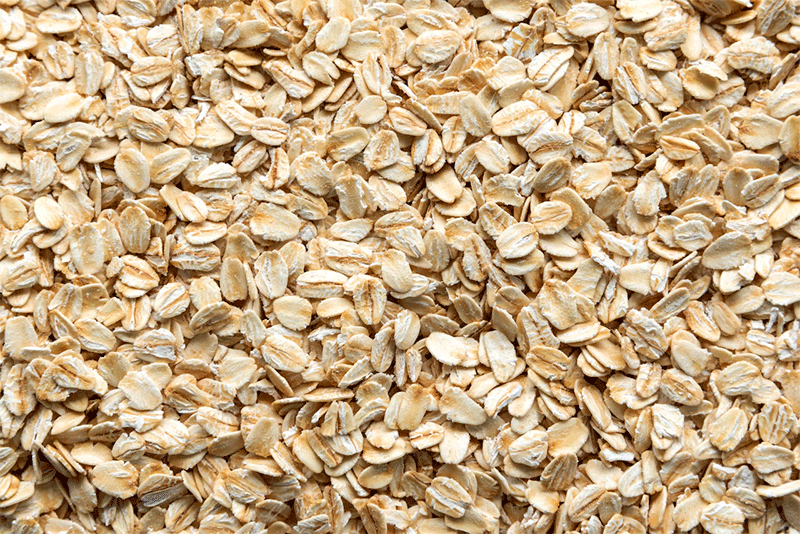
The U.S. Food and Drug Administration (FDA) recently announced a Class II recall of approximately 63,000 pounds of bulk oatmeal due to potential plastic contamination. The affected products—Regular Rolled Oats and Quick Rolled Oats—were distributed in California and Indiana by Grain Millers, Inc. of Minnesota. While the recall was terminated on April 25, 2024, the FDA warned that some contaminated products may still be in consumers’ homes.
The Scope of the Problem
Plastic contamination in bulk food products is not an isolated incident. According to a 2023 study by the Food Safety Authority of Ireland, microplastics have been detected in 17% of grain-based products tested, raising concerns about agricultural processing and packaging practices. The World Health Organization (WHO) has also flagged microplastics as an emerging food safety issue, with potential long-term health risks still under investigation.
How Does Plastic Enter the Food Chain?
Potential sources of contamination include:
- Processing equipment (worn or damaged plastic parts)
- Bulk packaging materials (tearing or fragmentation)
- Environmental pollution (microplastics in soil and water)
A 2022 report by the FAO emphasized that improved filtration, equipment maintenance, and supply chain monitoring are essential to reducing such risks.
What Can Farmers and Agronomists Do?
- Demand stricter quality control from processors and suppliers.
- Advocate for biodegradable packaging alternatives in bulk food storage.
- Support research into microplastic detection and filtration technologies.
The recent oatmeal recall underscores the need for greater vigilance in agricultural processing and food safety protocols. As plastic pollution becomes a growing threat to food security, collaboration between farmers, scientists, and policymakers is crucial to ensuring safer, more sustainable food systems.
Error