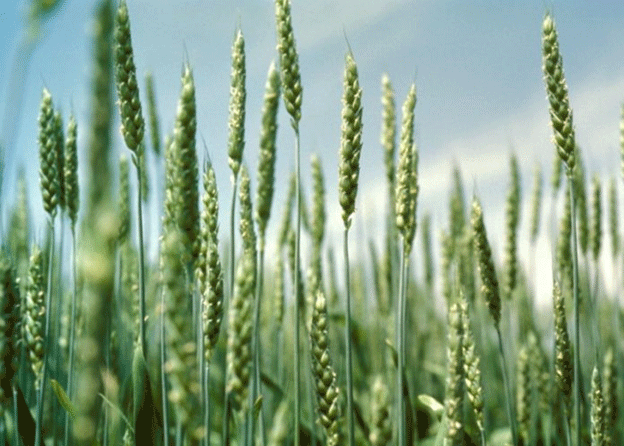
Timely Irrigation: A Key Strategy to Prevent Fungal Infections in Wheat
The Agriculture Department has issued a crucial advisory to wheat farmers, urging them to irrigate their crops to prevent fungal outbreaks. Reports indicate that fungal infections have already been detected in some wheat fields as of late February 2025. If left unchecked, fungal diseases can spread rapidly, leading to lower yields and poor grain quality.
Why Irrigation Matters in Preventing Wheat Fungus
Fungal infections in wheat, such as rust and Fusarium head blight, often thrive in specific environmental conditions—particularly when moisture levels fluctuate. Ensuring consistent and appropriate irrigation can help reduce plant stress and create conditions less favorable for fungal growth.
Experts recommend:
- Maintaining proper soil moisture: Dry spells followed by excessive moisture create ideal conditions for fungal spores. Regular, balanced irrigation helps mitigate this risk.
- Avoiding overwatering: Excess water can encourage fungal diseases like root rot and powdery mildew. Precision irrigation methods such as drip or sprinkler systems can provide controlled moisture.
- Ensuring good field drainage: Standing water can promote fungal development. Farmers should ensure their fields have adequate drainage to prevent excess moisture buildup.
Using Pesticides as a Protective Measure
In cases where infections have already occurred, the Agriculture Department advises farmers to apply fungicides and insecticides to control the spread. Common fungal diseases affecting wheat include:
- Wheat rust (Puccinia spp.) – Causes yellow, brown, or black pustules on leaves, reducing photosynthesis and grain filling.
- Fusarium head blight (Fusarium spp.) – Leads to shriveled grains and contamination with mycotoxins, making wheat unsuitable for consumption.
- Powdery mildew (Blumeria graminis) – Forms white powdery patches on leaves, reducing crop vigor.
Modern fungicides, such as triazoles and strobilurins, have been proven effective in controlling wheat fungus when applied at the right growth stage. However, integrated pest management (IPM) strategies, including crop rotation and resistant wheat varieties, can further reduce reliance on chemical treatments.
Timely irrigation is a simple yet powerful strategy to protect wheat crops from fungal diseases, ensuring healthy plant growth and optimal yields. Farmers should adopt best irrigation practices while staying vigilant for early signs of infection. In cases where fungus or insect infestations occur, the use of approved pesticides can help mitigate damage and secure a successful harvest. By combining proper water management with disease control measures, wheat growers can enhance both productivity and crop quality.
Error