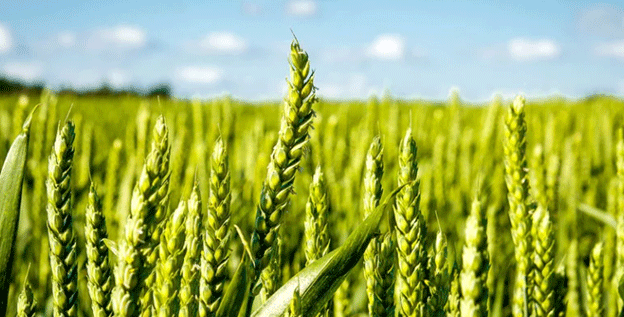
As the weather changes, wheat crops face an increased risk of pest infestations, especially from the root aphid (Rhopalosiphum padi) and other related pests like the wheat bug (Cereal aphid). This year, reports indicate that root aphid damage is becoming a concern for wheat farmers, especially when plants exhibit yellowing and wilting symptoms. Timely intervention with pesticides can help mitigate potential losses and protect crop health.
The Impact of Root Aphids on Wheat Plants
Root aphids feed by attaching themselves to the root system of wheat plants, extracting nutrients and weakening the plants over time. This feeding process causes the plants to yellow and eventually die if not controlled. The pest thrives under conditions of high humidity and elevated temperatures, which are becoming more common due to climate changes. If left untreated, root aphids can devastate an entire wheat field, significantly reducing yield and quality.
In the affected fields, farmers have observed fine, yellow, brown, or black aphid pests clinging to the roots when plants are pulled out of the soil. These aphids are difficult to spot at first, but their presence becomes clear once the plant begins to show signs of stunted growth and discoloration.
Effective Pesticide Treatment for Root Aphid Infestation
To combat root aphid infestation, agricultural experts recommend applying targeted pesticide treatments. For fields where wheat planting has not yet occurred, pre-planting seed treatment with Imidacloprid 48% FS (1 ml per kg) or Thiamethoxam 30% FS (1.5 ml per kg) can prevent aphid attacks right from the start.
For areas where wheat has already been sown and early signs of pest infestation are visible, farmers should apply one of the following treatments:
- Imidacloprid 17.8 SL (80-100 ml per acre)
- Thiamethoxam 25% WP (80 g per acre)
- Acetamiprid 20% SP (60 g per acre)
These treatments should be diluted in 150-200 liters of water per acre and sprayed on the crops. Alternatively, Thiamethoxam 30% can be mixed with 50 kg of urea fertilizer and applied at a rate of 250 ml per acre to ensure thorough coverage.
Preventive Measures and Weather Considerations
The root aphid is most active in conditions of high humidity and warmth. Farmers must monitor weather conditions closely, as these pests spread rapidly under favorable conditions. Regular inspections of wheat fields for early signs of aphid damage, such as yellowing leaves or stunted growth, can help catch infestations before they cause significant harm. Additionally, it is essential to apply pesticides promptly to prevent the spread of the infestation to neighboring plants.
Ensuring Healthy Wheat Harvests
Timely pesticide application is critical to managing root aphid infestations and protecting wheat crops. With proper treatment and careful monitoring of weather conditions, farmers can safeguard their crops from pests, maintain plant health, and ensure a productive wheat harvest. Given the potential threat posed by pests like root aphids, early intervention is key to minimizing damage and optimizing yields.
Error