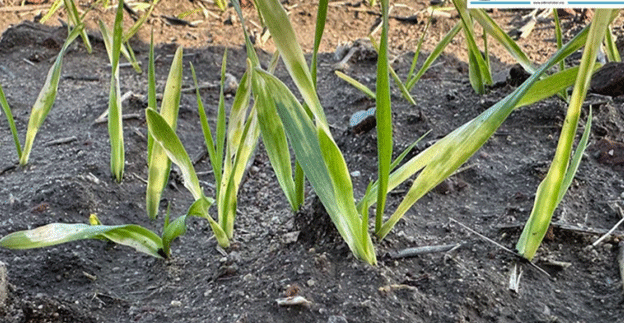
The Edirne Directorate of Agriculture and Forestry has conducted inspections of wheat fields, following recent rainfall. According to the department’s findings, the wheat crops have shown favorable growth, thanks to the recent precipitation, which has positively impacted their development. However, the inspections also revealed some challenges, particularly in early-sown fields, where yellowing has been observed.
Rainfall and Growth Conditions
The recent rains have been beneficial for wheat crops, especially after a dry period. The rainfall has provided much-needed moisture to the soil, aiding the healthy growth of wheat in many regions of Edirne, a key agricultural area in Turkey. These conditions have contributed to good development, particularly in fields sown under normal timing. The moisture has helped maintain crop vigor and productivity, essential for a successful wheat harvest.
Yellowing and Its Causes
The yellowing of wheat observed in some fields, especially those sown earlier in the season, has raised concerns. According to the inspection team, the yellowing is not the result of pests or diseases but rather due to deep sowing. Early sowing in some areas required farmers to plant wheat seeds deeper than usual due to dry soil conditions. This deeper sowing may have delayed germination and affected root development, leading to yellowing as the plants struggle to establish themselves in the early growth stages.
Localized Pest Damage: Zabrus
Another issue identified during the inspection was the presence of Zabrus damage, particularly in stubble fields and at field borders. Zabrus is a pest that can cause damage to wheat crops, and its presence has been noted in some areas at economic damage thresholds. If the number of Zabrus pests exceeds 35 per square meter or if there are more than 15 damaged plants per square meter, farmers are advised to take immediate action. Ensuring regular field checks and applying necessary pest control measures is crucial to prevent further damage to the wheat crops.
Conclusion: Balancing Sowing Practices and Pest Management
While the recent rainfall has supported wheat development, the inspections have emphasized the importance of appropriate sowing techniques and pest management. Early sowing, especially under dry conditions, should be approached with caution, and farmers must ensure they are not sowing too deep, which can hinder plant establishment. Additionally, monitoring pest populations, such as Zabrus, is vital to minimize economic losses.
Farmers in Edirne and other wheat-growing regions should continue to monitor their fields closely, adjusting practices as needed to optimize growth conditions. By addressing these challenges promptly, they can enhance yields and protect their crops from both environmental and pest-related risks.
Error