The Impact of Abnormal Weather on Soybean Farming
Soybean farming on South Korea’s Jeju Island is in turmoil, with fungal diseases devastating crops as a result of abnormal weather patterns. Recent reports indicate that frequent rains and prolonged humidity created ideal conditions for mold outbreaks, leading to significant yield losses. Many farmers, overwhelmed by the extent of damage, have been forced to abandon their fields entirely.
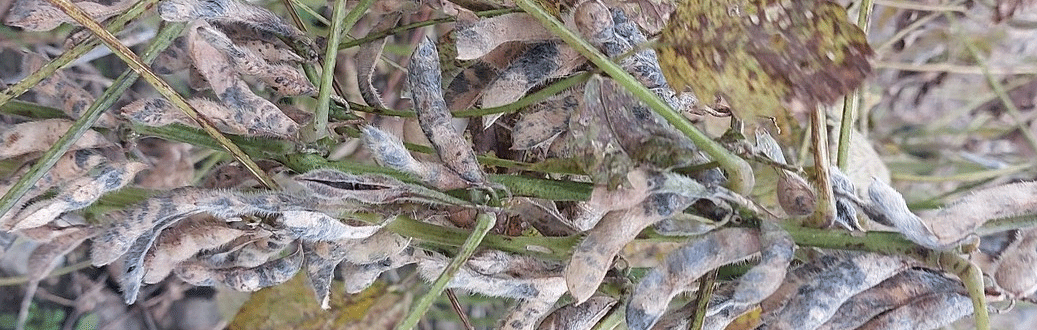
According to the Jeju Agricultural Cooperative, these conditions have worsened since mid-November, when torrential rains prevented timely harvests. Fields have turned black with mold, and premature germination is occurring in unharvested pods—a phenomenon rarely seen on this scale.
Farmers Report Record Losses
Local farmers describe 2023 as the worst year in memory for soybean cultivation. “This summer’s drought reduced yields, and now excessive rains during the harvest season have destroyed what little we had left,” said a farmer from Haengwon-ri. Some fields have been so severely impacted by fungal outbreaks that they are being plowed under rather than harvested.
Jeju’s soybean production is expected to drop by at least 20% compared to the previous year, according to estimates from Jeju Agricultural Cooperative. This decline spells trouble not only for farmers but also for the region’s economy, which relies heavily on agricultural exports.
The Role of Climate Change
The unprecedented combination of summer drought followed by excessive autumn rainfall points to the increasing influence of climate change on agriculture. Jeju’s experience mirrors global trends where erratic weather has led to rising incidences of crop diseases, forcing farmers to adapt quickly or face economic hardship.
Calls for Policy Support and Innovation
To address these challenges, the Jeju Soybean Association and local cooperatives are advocating for:
- Improved Agricultural Disaster Insurance: Current policies fail to cover the full extent of crop losses, leaving many farmers financially vulnerable.
- Investment in Disease-Resistant Soybean Varieties: Developing and distributing seeds resilient to fungal infections is a long-term solution.
- Enhanced Climate Resilience Programs: Training farmers to adopt better water management and disease prevention techniques could mitigate future risks.
Jeju Soybean Association Chair Lee Han-yeol emphasized the need for immediate government intervention: “The scale of this year’s damage underscores the urgency of policy reforms and disaster aid to protect farmers from further loss.”
The soybean crisis in Jeju is a stark reminder of the vulnerability of agriculture to climate change. Farmers, agronomists, and policymakers must collaborate to implement practical solutions that mitigate immediate losses while strengthening the long-term resilience of agricultural systems. Without these efforts, the sustainability of soybean farming—and food security—remains at risk.
Error