Barley yellow dwarf virus (BYDV) has emerged as a growing challenge for cereal producers worldwide, particularly affecting winter and spring crops like barley, wheat, and oats. With potential yield losses of up to 80% in severe cases, BYDV underscores the need for more precise and effective pest management strategies. According to Dr. Louise McNamara, an entomologist at Teagasc involved in extensive BYDV research, the virus poses varying degrees of risk based on a combination of climatic, environmental, and agronomic factors. This article discusses the latest data on BYDV, risk factors for infection, and recommendations for mitigating the virus’s impact on cereal crops.
The Threat of BYDV in Cereals
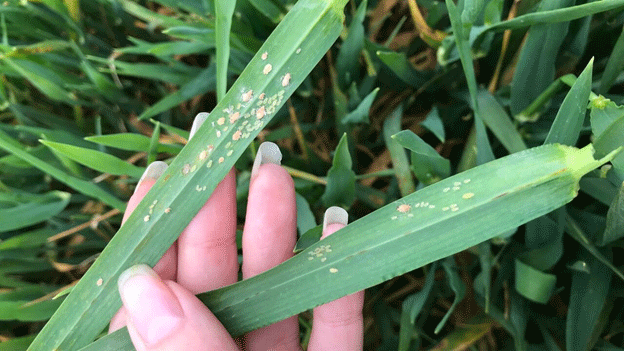
BYDV is primarily spread through aphids, small insects that can transmit the virus to plants during feeding. The virus can cause serious damage to cereal crops, leading to stunted growth, yellowing leaves, and decreased tiller production. The impact on yield is substantial, with reported losses of 2 t/ha in winter wheat and oats, increasing up to 5 t/ha in winter barley. The average loss for crops affected by BYDV stands at around 30%, but in severe infections, losses can escalate to 80%.
Factors Influencing BYDV Infection Risk
Dr. McNamara highlights several critical factors influencing BYDV infection risk:
- Crop Planting Time: Early-planted crops are at higher risk of BYDV as they are exposed to aphid infestation over an extended period.
- Virus Strain: There are 11 known BYDV strains, each with varying levels of virulence. Some strains are mild, while others can cause catastrophic yield losses.
- Climatic Conditions: Warmer temperatures and milder winters allow aphids to thrive and extend their survival rate, particularly in coastal regions where frost is less common.
- Aphid Migration Patterns: Aphid movement, which can include both long-range flights and local migrations, affects virus spread. Factors such as wind, rain, and temperature influence aphid activity. Rainfall, in particular, is detrimental to aphid flights, as heavy rain reduces aphid mobility and transmission potential.
Risk Prediction and Management Strategies
Given the variability of BYDV infection risks across years, locations, and individual fields, a multifaceted approach is essential. Dr. McNamara recommends the following strategies to manage BYDV risks effectively:
- Monitoring Aphid Populations: Utilizing tools such as the Teagasc 12.2m towers, farmers can monitor aphid activity levels. This data enables better predictions for aphid migration and helps in planning effective pest control measures.
- Temperature and Weather Considerations: Adjusting planting schedules based on weather forecasts can minimize aphid exposure periods. For instance, avoiding early planting or opting for shorter-duration cereal varieties in regions with a high likelihood of mild winters can reduce BYDV risk.
- Field History and Crop Rotation: Knowing the history of previous crops in a field is vital, as aphids and BYDV can persist from one growing season to the next. Implementing a diversified crop rotation strategy can disrupt aphid life cycles and reduce BYDV carryover.
- Targeted Insecticide Use: In cases of high aphid populations, timely application of insecticides can help control aphid numbers and reduce BYDV spread. However, careful consideration of insecticide resistance and environmental impacts is crucial.
BYDV remains a significant challenge for cereal production, with potentially devastating impacts on yield and crop quality. Effective BYDV management hinges on accurate risk prediction and a strategic combination of agronomic practices, monitoring tools, and, when necessary, controlled pesticide application. By understanding the variables that contribute to BYDV risk—such as planting time, weather conditions, aphid migration, and crop history—farmers and agronomists can mitigate the virus’s effects and safeguard cereal yields. Continuous research and innovative tools will be pivotal in further refining these strategies, ensuring that cereal crops remain resilient against BYDV.
Error