

Unlocking the Secrets of Soil Health to Maximize Agricultural Productivity
Soil testing serves as a fundamental practice for farmers and agronomists seeking to remedy plant nutrition deficiencies and optimize crop yields. By providing detailed insights into the nutrient status of the soil, soil testing allows for timely and targeted interventions that can significantly impact crop health and productivity. This article explores the essential role of soil testing in addressing nutritional deficiencies and its importance in sustainable agricultural practices.
- Accurate Diagnosis of Nutrient Deficiencies
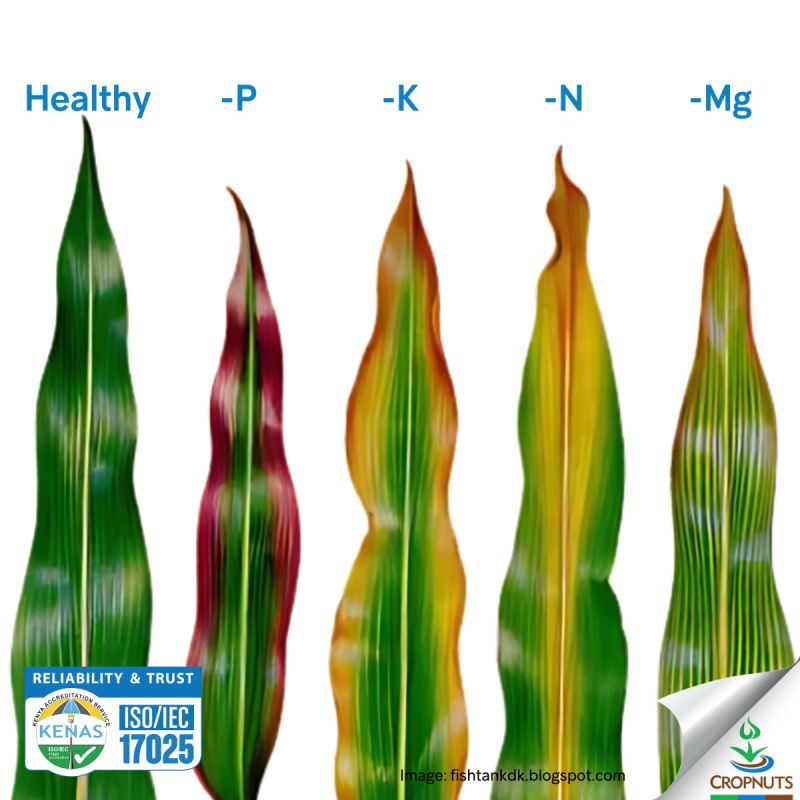
Visual symptoms of nutrient deficiencies, such as yellowing leaves or stunted growth, can often be misleading, as they may resemble other issues like pest damage or water stress. Soil testing provides a precise diagnosis by revealing the exact nutrient levels in the soil. For instance, it can differentiate between nitrogen and sulfur deficiencies, which frequently present similar symptoms. This accurate diagnosis empowers farmers to implement targeted interventions, enhancing the likelihood of crop recovery and yield improvement.
- Optimizing Fertilizer Applications
Without soil testing, fertilizer application can become a guessing game, potentially leading to the over-application of some nutrients and under-application of others. Soil tests identify nutrient imbalances, ensuring fertilizers are applied at the correct rates. This not only addresses deficiencies but also prevents nutrient toxicity, reducing overall input costs. By using data-driven insights, farmers can optimize their fertilizer strategies, ensuring that crops receive precisely what they need for optimal growth.
- Preventing Long-Term Soil Depletion
Continuous cropping without understanding the nutrient status of the soil can lead to long-term depletion of essential nutrients. Regular soil testing provides insights into nutrient trends over time, allowing farmers to take corrective measures before deficiencies escalate. By maintaining soil fertility through informed practices, farmers can ensure sustained productivity across multiple growing seasons.
- Tailoring Nutrient Management to Specific Crops
Different crops have varying nutrient requirements, and soil testing helps tailor nutrient management practices to meet these specific needs. By comprehending the nutrient needs of particular crops, farmers can ensure that their plants receive appropriate nutrients at critical growth stages. For example, soil testing may indicate the need for additional phosphorus to support root development in crops such as maize or soybeans.
- Best Practices for Soil Testing
To effectively track changes in soil fertility, farmers should conduct regular soil tests at least once a year or between growing seasons. Combining soil testing with plant tissue testing provides a comprehensive view of nutrient availability and plant uptake. Based on the results from both soil and plant tissue tests, farmers can select fertilizers and soil amendments that specifically address nutrient deficiencies and imbalances.
In conclusion, soil testing is an indispensable tool for enhancing crop nutrition and overall agricultural productivity. By adopting a data-driven approach to nutrient management, farmers and agronomists can improve yields, lower input costs, and contribute to sustainable farming practices. For personalized guidance on soil testing and nutrient management, farmers are encouraged to contact experts at Crop Nutrition Laboratory Services.
Error