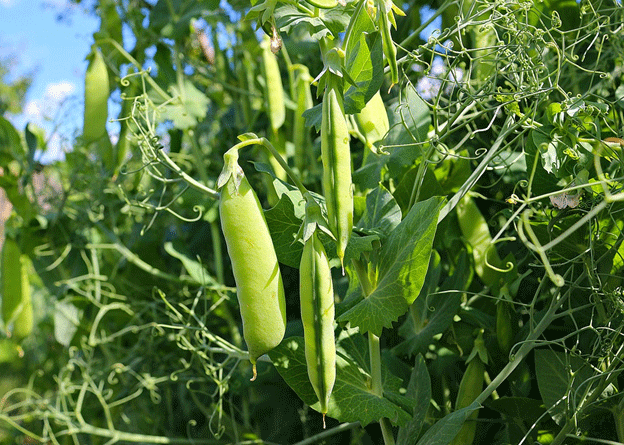
As the October planting season approaches, farmers in Shahjahanpur are gearing up to cultivate pea crops. The potential for good profits from selling fresh green peas attracts many farmers, but with this opportunity comes the challenge of disease management. Three primary diseases—Bukhni, Uuktha, and Ratua—pose a serious threat to pea production. If left unchecked, these diseases can lead to significant crop losses. To help mitigate these risks, agricultural experts have recommended several key practices to be implemented before sowing.
Understanding Pea Diseases
- Uuktha Disease:
- Uuktha is a severe fungal disease that affects the roots of pea plants. Caused by a soil-borne fungus, it disrupts the plant’s ability to absorb water and nutrients, leading to wilting and eventual death. Initially, the lower leaves of infected plants turn yellow, and cutting through the stem reveals a brown discoloration within.
- Bukhni and Ratua Diseases:
- These diseases can also severely impact crop health. Bukhni typically affects the foliage, while Ratua is known for its root and stem rot. All three diseases can devastate a crop if not properly managed from the outset.
Expert Recommendations for Disease Prevention
1. Seed Treatment
Before planting, it is crucial to treat the seeds to prevent Uuktha disease. Punit Kumar Pathak, a district horticulture officer, suggests using 3 grams of Thiram per kilogram of seed. Thiram is a systemic fungicide that helps protect the seeds from fungal infections and increases germination rates.
2. Soil Treatment
Given that Uuktha disease is fungal in nature, proper soil treatment is essential. After deep tillage, farmers should mix Trichoderma with decomposed cow dung manure and spread it across the field before final tilling. This beneficial fungus not only suppresses pathogenic fungi but also promotes healthy soil microbiota.
3. Crop Rotation and Timing
To further reduce the risk of recurring infections, farmers should avoid planting peas in the same field for two to three years if Uuktha disease has been a problem. It is also important to avoid premature sowing, as this can increase susceptibility to diseases.
The success of pea farming in Shahjahanpur largely depends on proactive disease management strategies. By implementing seed and soil treatments, practicing crop rotation, and being mindful of planting times, farmers can significantly reduce the risk of disease and ensure healthier, more productive pea crops. As the agricultural landscape continues to face challenges from climate change and disease pressures, adopting these expert recommendations will be crucial for sustainable farming practices and increased profitability.
Error