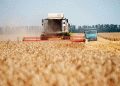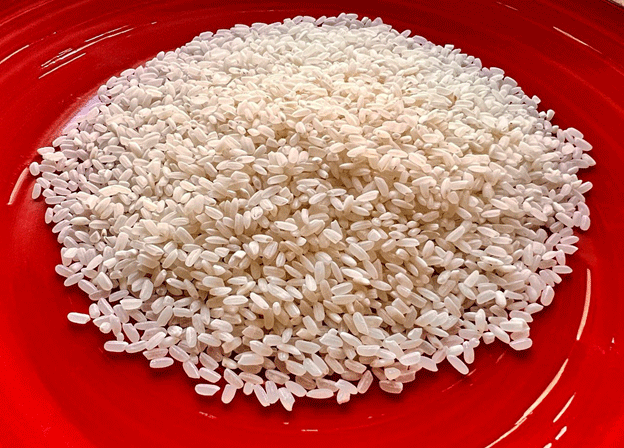
In a significant advancement for the food industry, scientists from Buryatia have created a new technique to process rice grains using low-temperature non-equilibrium plasma. This innovative method can reduce the cooking time of rice by 17-25%, offering a solution for faster meal preparation without altering the grain’s physical and chemical properties. The breakthrough is poised to have a wide-reaching impact on both domestic and international markets, where quick-cooking rice and other convenience foods are in high demand.
How Plasma Technology Works
The core of this technology lies in the use of non-thermal, non-equilibrium plasma—an ionized gas that modifies the surface of rice grains. This plasma treatment affects the grain at a microscopic level, altering its surface structure just enough to reduce cooking time. Despite these modifications, the integrity of the rice is maintained, ensuring that its nutritional value and texture remain unchanged.
This method can be particularly valuable for producing instant rice, a product that continues to see growing demand as consumers seek faster, more convenient meal options. With a global shift toward time-saving cooking methods, this plasma treatment could expand to other grains and food products where cooking time is a critical factor, such as lentils, beans, and pasta.
The Benefits for Farmers and Processors
For rice farmers and processors, the adoption of plasma technology presents multiple advantages. First, it creates a premium product that meets the needs of time-conscious consumers. Second, by offering a faster-cooking rice variety, manufacturers can cater to new markets, such as ready-to-eat meals and health-conscious consumers who prefer minimally processed foods.
Plasma-treated rice is also expected to retain its nutritional content, an essential factor for consumers prioritizing healthy diets. Given the growing global demand for rice—particularly in regions like Asia, Africa, and the Middle East—this innovation could increase competitiveness in rice export markets by providing value-added products.
Sustainability and Efficiency
Another advantage of plasma treatment is its potential contribution to sustainability in food production. Traditional methods of producing quick-cooking rice often require extensive energy for pre-cooking and drying, which can be resource-intensive. Plasma processing, on the other hand, requires less energy and water, making it a more environmentally friendly alternative. As agriculture faces pressure to reduce its carbon footprint, this method aligns with broader goals of improving sustainability in food production.
The introduction of plasma treatment technology by scientists in Buryatia could transform rice processing by reducing cooking time while preserving the quality and nutritional benefits of the grain. For rice farmers, processors, and food manufacturers, this innovation presents a unique opportunity to meet the growing demand for convenience foods while enhancing sustainability and efficiency.
Error