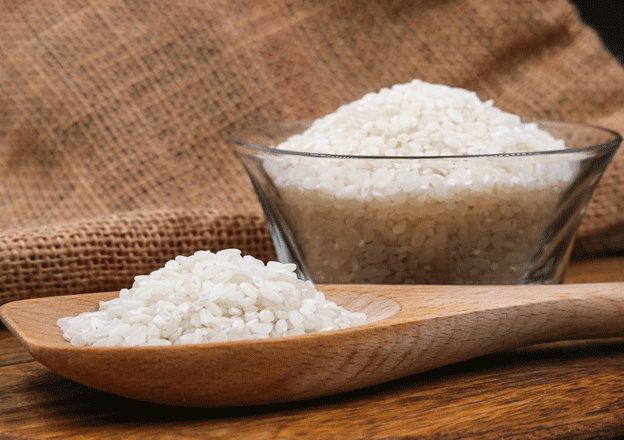
Rice is a global staple, but not all varieties are created equal in terms of health benefits. According to dietitian Victoria Beznobeeva, two rice varieties stand out for their positive effects on the digestive system: Camolino and Arborio. These nutrient-dense grains not only offer versatility in cooking but also support gastrointestinal health, making them increasingly popular in both domestic and international markets.
Camolino Rice:
Originating from Egypt and grown along the fertile banks of the Nile, Camolino rice is highly regarded for its rich nutritional profile. Its slightly sticky texture when cooked makes it an excellent choice for meat-based dishes and stews. What sets Camolino apart is its high fiber content, which supports digestive health by promoting regular bowel movements and preventing constipation. Egyptian farmers rely heavily on precise irrigation techniques to cultivate this rice, and the global demand for Camolino is rising, particularly among health-conscious consumers seeking high-fiber diets.
Arborio Rice:
Known for its creamy texture, Arborio rice is a short-grain variety from Italy, primarily used in dishes like risotto and rice pudding. Arborio’s high starch content contributes to its digestive benefits by aiding in gastrointestinal comfort, making it an ideal option for those with sensitive digestive systems. In Italy, the cultivation of Arborio is concentrated in the Po Valley, where the temperate climate and advanced irrigation systems allow farmers to produce consistently high-quality crops. The growing popularity of Arborio in international markets is driven by its association with Mediterranean cuisine and its perceived health benefits.
Other Popular Varieties:
In addition to Camolino and Arborio, other rice types also play a significant role in global cuisine and agriculture. Jasmine rice, a popular variety in Russia, is known for its ability to hold its shape when cooked with minimal water, making it a staple in Asian dishes. For dishes like plov, a traditional Central Asian rice dish, Basmati rice is the preferred choice due to its long grains and aromatic flavor. In Russia’s Krasnodar region, Kuban rice is a local favorite, widely used as a standard side dish in everyday meals.
Interestingly, some nutritionists, like Rimma Moysenko, recommend against pairing rice with meat due to the high starch content in rice. This combination can hinder protein absorption, leading to what she describes as “secondary protein deficiency.” For those looking to balance their meals, adding vegetables to rice-based dishes is a simple and effective way to boost nutrient intake.
Camolino and Arborio rice varieties offer not only delicious and versatile cooking options but also significant benefits for digestive health. As consumer demand shifts toward more nutrient-dense foods, farmers growing these varieties can expect increased interest, especially from health-conscious markets. Other varieties like Jasmine, Basmati, and Kuban rice continue to play key roles in both local and international cuisine, reflecting the diversity and adaptability of rice farming across regions.
Error