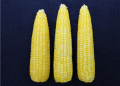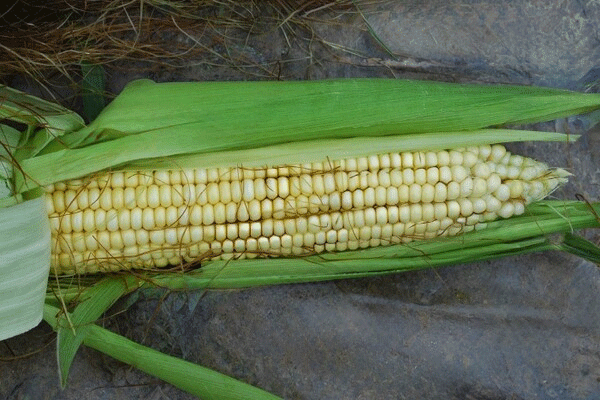
The North Chungcheong Agricultural Technology Center recently emphasized the importance of meticulous cultivation management for fall corn crops, especially given the prolonged high temperatures experienced this summer. Farmers are advised to adopt specific strategies to optimize yields and enhance the quality of their sweet corn, which is typically sown in July and harvested in mid to late October.
Sweet corn reaches its peak sweetness during the filling stage, benefitting from lower temperatures and significant diurnal temperature variation. This quality makes it a favorite among consumers. However, persistent high temperatures and drought conditions can severely hinder plant growth and reduce yields. To counteract these challenges, farmers must ensure that the soil remains adequately moist.
Regular irrigation is essential; water should be applied before the leaves start to wilt, ensuring that the furrows are thoroughly saturated. It is critical to avoid using contaminated water for irrigation during high temperatures, as this can lead to stalk rot disease. With new leaves continually emerging from the upper part of the corn plant, any stagnant, contaminated water can increase disease susceptibility. Currently, no effective chemical treatments exist for this issue, so avoiding sprinkler irrigation is advised.
Additionally, the risk of pest and disease outbreaks increases under these conditions. Farmers should remain vigilant and proactive in their pest management efforts. The fall armyworm, for example, can be controlled by applying specialized pesticides every 7 days for 2-3 cycles. Furthermore, gray leaf spot is prevalent during this period; early intervention with appropriate fungicides is crucial, and any infected plants should be removed immediately to prevent further spread.
Timely harvesting is another critical aspect of successful corn production. Sweet corn is ideally harvested 20-25 days after tasseling. However, high temperatures can necessitate an earlier harvest, potentially advancing the timeline by 3-10 days.
Noh Sol-ji, a researcher in the Crop Research Division of the North Chungcheong Agricultural Technology Center, noted, “With careful management during high temperatures, we hope for a successful fall corn harvest. We are committed to providing on-site consulting for corn growers to ensure proactive agricultural practices.”
Effective management strategies during the hot summer months are vital for ensuring the success of fall corn crops in North Chungcheong Province. By maintaining optimal soil moisture, employing vigilant pest control measures, and harvesting at the right time, farmers can maximize their yields and produce high-quality sweet corn. Ongoing support from agricultural experts will further bolster the resilience and productivity of local corn farmers.
Error