$55.9 Million Initiative Targets Improved Water and Nutrient Efficiency
A new $55.9 million strategic collaboration, named the Soil Water and Nutrition (SWAN) initiative, has been launched to enhance water and nutrient-use efficiency in Western Australian grain production. The five-year partnership between the Grains Research and Development Corporation (GRDC) and the WA Department of Primary Industries and Regional Development (DPIRD) aims to support local growers in achieving significant crop yield improvements of more than 10 percent.
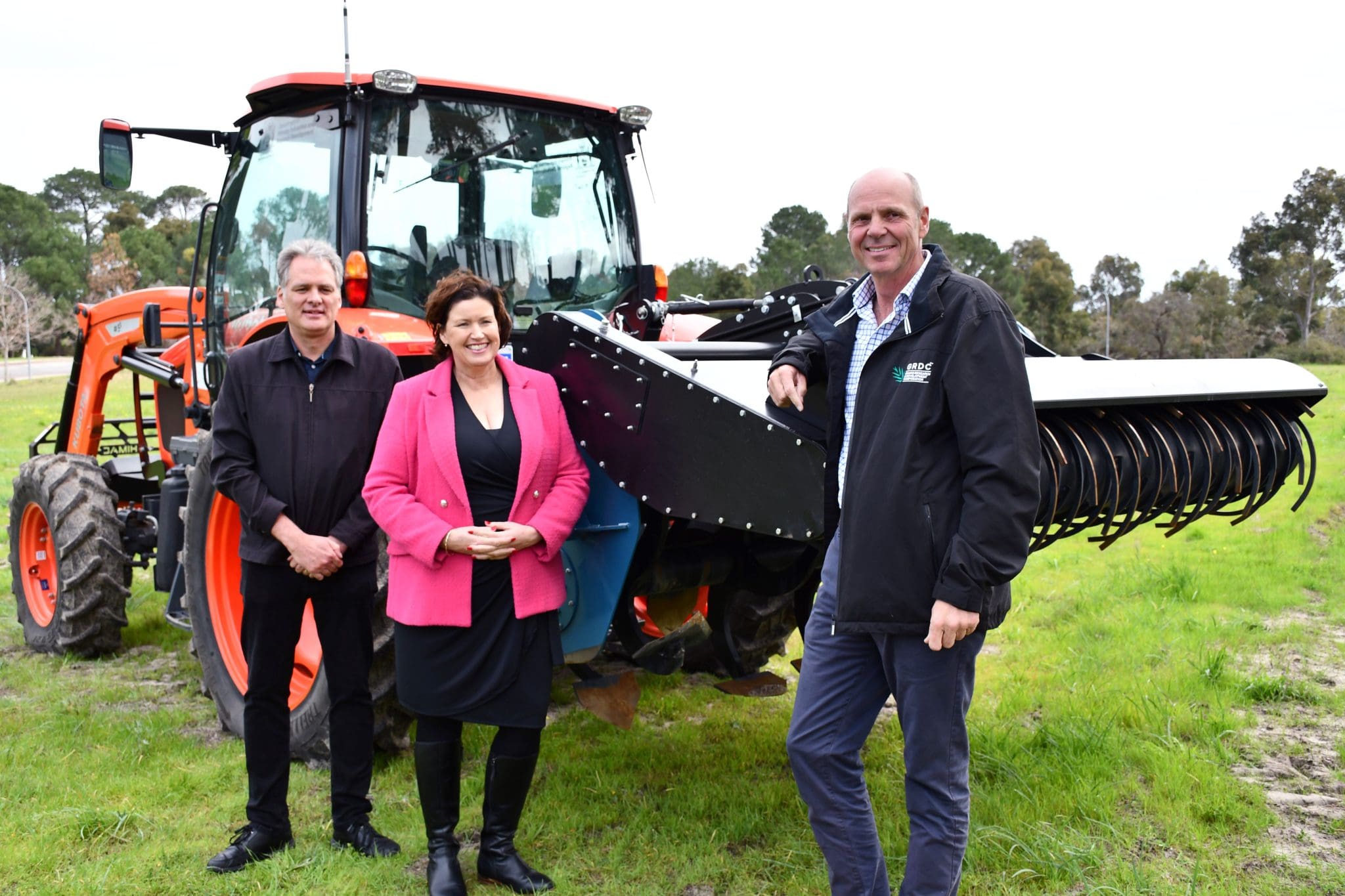
Announced by WA Agriculture and Food Minister Jackie Jarvis and GRDC Board Chair John Woods at Technology Park in Perth, the collaboration seeks to build on GRDC’s extensive history of investing in soil constraints and crop nutrition. Over the past 15 years, GRDC’s $75 million investment in soil research in Western Australia has yielded profit gains of up to $100 per hectare for growers who have adopted soil amelioration practices, leading to better water use efficiency and increased crop production per millimetre of rainfall.
The SWAN collaboration will focus on delivering practical, paddock-scale solutions for growers, including machinery and soil amendment strategies designed to improve soil structure and function. This initiative is expected to transform the water and nutrient use efficiency across the state’s diverse soil types, addressing critical areas identified in GRDC’s Research, Development, and Extension Plan 2023-28.
Key Themes and Research Focus
The SWAN initiative is organized around three primary themes:
- Expanding Soil Re-engineering: Developing strategies to remove soil constraints to a depth of 80 centimetres or more, enabling plants to access more nutrients and improving overall crop productivity.
- Focused Nutrient Management: Emphasizing potassium management and tailored fertilization strategies to enhance crop growth across different soil types.
- Industry Adoption Readiness: Ensuring that research outcomes are translated into practical applications that growers can adopt, with a focus on long-term financial and productivity gains.
DPIRD’s SWAN collaboration manager, Dr. Stephen Davies, emphasized that this initiative would help growers maximize the benefits of modern crop management practices and genetic advancements. By improving soil structure and nutrient availability, growers will be better positioned to push crop profitability to new heights.
Grower-Level Benefits
The SWAN collaboration aims to deliver tangible benefits to growers, including:
- Development of machinery and soil amendment strategies to support deep soil re-engineering.
- Analysis of productivity gains and financial returns to guide soil profile re-engineering investments.
- Improved guidelines for water capture and reduction of water loss in heavy-textured soils, particularly in low rainfall areas.
- Tools for optimizing gypsum application and improving financial returns.
- An online hub offering diagnostic tools and strategies for enhancing long-term crop nutrient efficiency.
- Better understanding and management of potassium losses in cropping systems.
- Updated guidelines for deep ripping practices to extend their longevity and effectiveness.
With existing trials already underway and new trials planned for the 2025 cropping season, the SWAN collaboration is poised to make a significant impact on Western Australia’s grain production landscape.
Error