As Australian traders converge for the Australian Grains Industry Conference, market dynamics reveal softer feedgrain values due to weak global prices and high expectations for new crop yields.
This week, domestic feedgrain values in Australia have experienced a decline, attributed to a consolidating season and weaker global prices amidst a backdrop of thin trading volumes. This shift in the market comes as many traders, both domestic and export, gather in Melbourne for the Australian Grains Industry Conference (AGIC), where discussions have centered around limited export demand and the anticipated influx of a significant new crop.
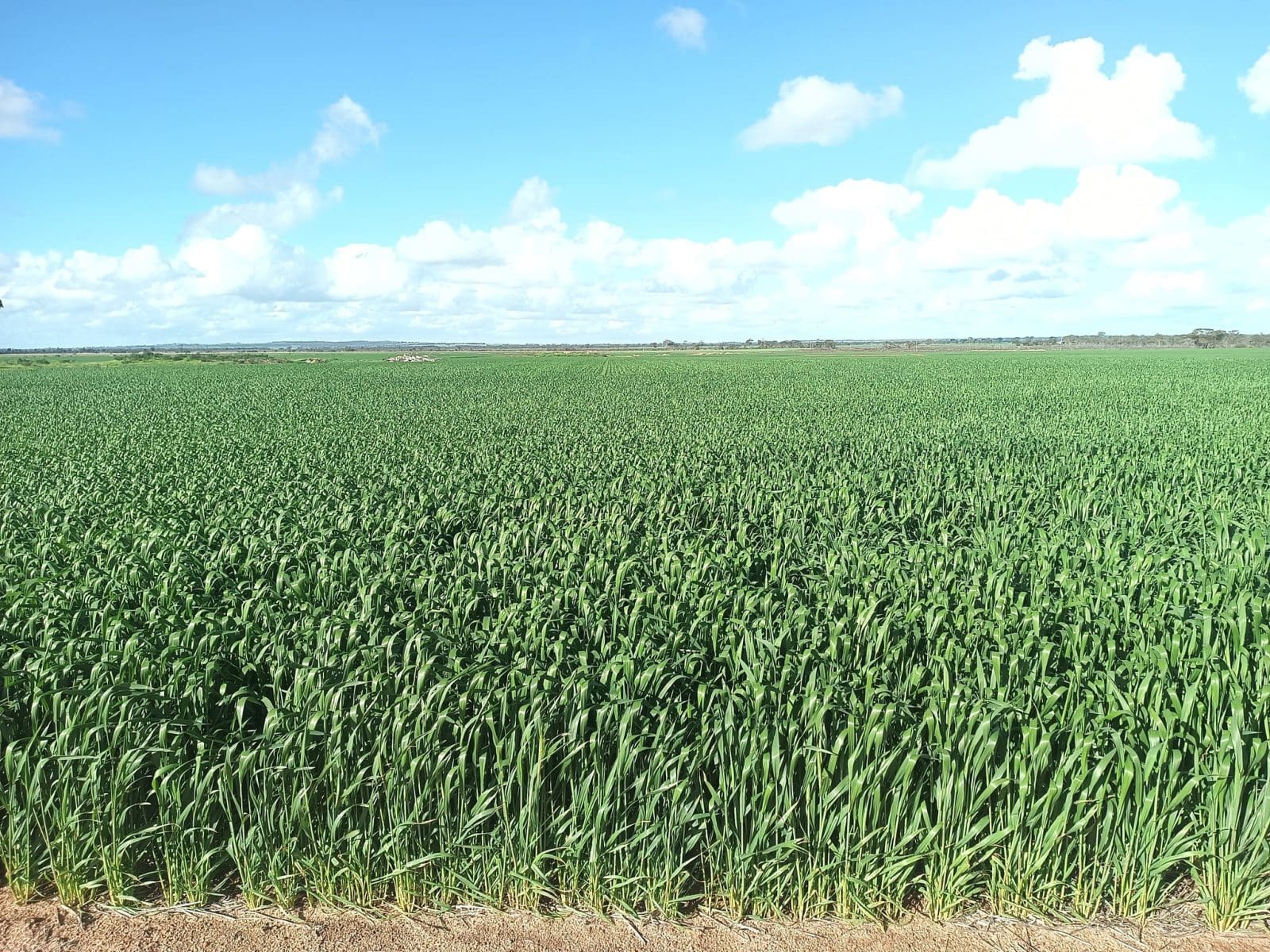
The conference highlighted a promising outlook for grain yields, particularly in New South Wales (NSW), which is expected to produce one of its largest wheat crops ever. This anticipated bumper crop is likely to spur forward sales among growers, eager to capitalize on favorable growing conditions. However, parts of Victoria and South Australia are still facing a need for adequate rainfall to ensure that even average yields are achieved as warmer weather approaches.
Current Market Trends: Prices for key grains such as barley and wheat have shown some fluctuations. For instance, indicative prices as of July 25th are as follows:
- Barley in Downs: $350 (prompt) and $375 (new crop)
- ASW in Downs: $350 (prompt) and $374 (new crop)
- Sorghum in Downs: $325 (both prompt and new crop)
- Barley in Melbourne: $330 (both prompt and new crop)
- ASW in Melbourne: $340 (prompt) and $360 (new crop)
These prices reflect a general trend of reduced values, with current sales more influenced by declining consumer bids rather than increased trading volume.
Regional Insights: The northern regions of NSW and southern Queensland are showing signs of a thriving season, with excellent conditions for wheat and barley. Despite the positive outlook, forward sales remain limited as traders wait for potential price increases in new-crop grains. Sunrise Commodities broker Scott Merson noted an increased interest in new-crop sales for wheat and barley, though actual trading remains cautious.
In contrast, southern NSW growers are still managing substantial stocks of current crop grain. Delta Agribusiness broker Graham Martin Dye pointed out that growers are hoping for a price rally of around $20 per tonne before committing to new-crop sales. However, this rally has not materialized, leading to a gradual realization among growers about the stagnant market conditions.
Challenges and Opportunities: Despite occasional spikes in the market due to targeted export demand, such as recent cargo accumulations in Western Australia and Victoria, overall trading conditions remain subdued. Clear Grain Exchange general manager Trent Smoker highlighted the prevalence of unsold grain compared to previous years, with sellers holding firm on their price expectations even as the new crop continues to grow.
In summary, while the Australian grain market faces challenges due to weaker global prices and limited forward sales, the expected bumper crop provides a glimmer of opportunity. Growers and traders will need to navigate these dynamics carefully as they prepare for the upcoming harvest season.