Addressing the Challenges of Corn and Soybean Pathogens in 2024
The ongoing battle against crop diseases and pests is a significant concern for farmers, with this year presenting unique challenges due to weather conditions and pathogen resistance. This article delves into the current state of corn diseases, optimal fungicide application timing, and the pressing issue of fungicide resistance in soybeans.
Corn Diseases: Current Status and Management Strategies
This year, corn fields are seeing notable occurrences of diseases such as tar spot, northern corn leaf blight, common rust, and gray leaf spot, particularly in areas that have experienced substantial rain. While the incidence and severity remain relatively low, the timing of fungicide application is critical for effective disease management.
Research consistently indicates that the most beneficial period for fungicide application is during the VT-R1 growth stages (tassel to silking). This timing not only maximizes yield benefits but is also the most effective for managing Gibberella ear rot and DON mycotoxin.
Farmers must consider several factors when deciding to apply fungicides:
- Disease history in the field and region.
- Selection of fungicides appropriate for the specific disease risks present.
- Hybrid susceptibility or resistance to relevant diseases.
- Environmental conditions leading up to VT-R1 and future weather forecasts.
- Rotational history and residue levels.
The VT-R1 stage allows farmers to assess disease risk through scouting, predictive models, and real-time monitoring before application.
Fungicide Resistance in Soybeans: A Growing Concern
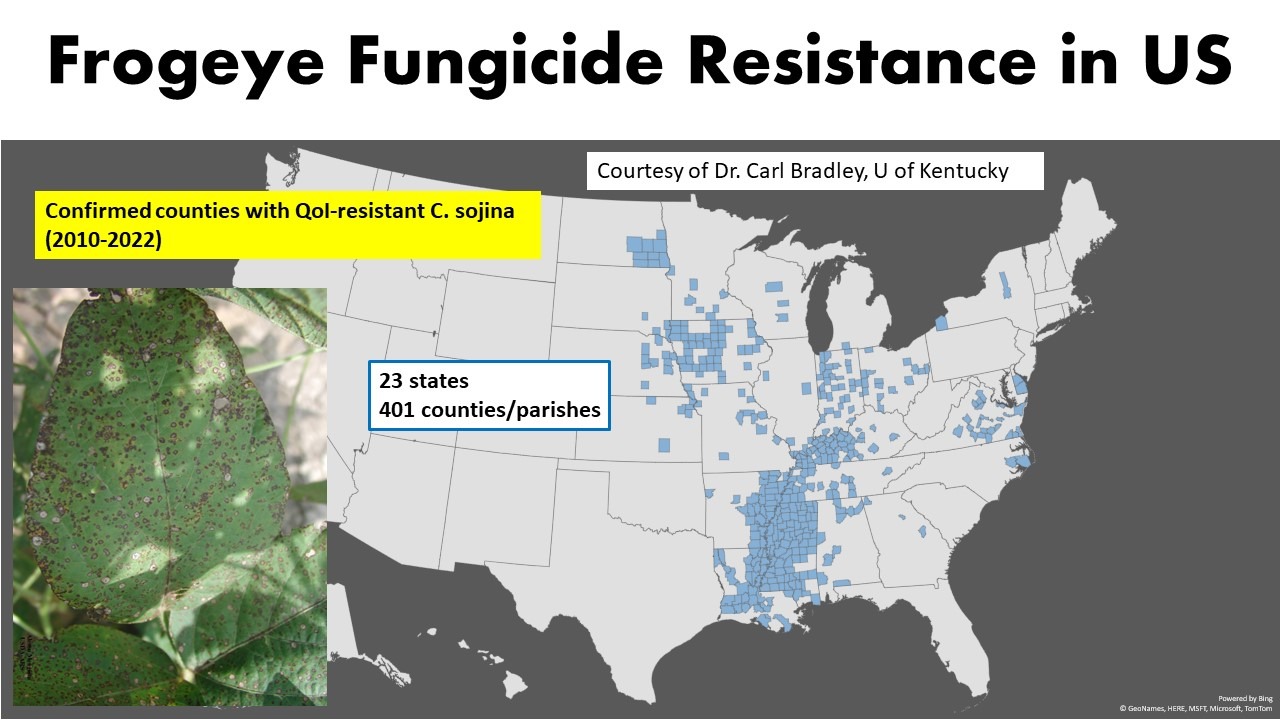
Fungicide resistance, particularly in soybeans, is an emerging challenge. The first case of strobilurin resistance in North American soybeans was reported in Western Tennessee in 2010, where frogeye leaf spot (Cercospora sojina) was not controlled despite fungicide applications. This resistance has since been observed in Ontario, highlighting the adaptability of pathogens and the risk associated with single-site fungicides.
Strobilurin fungicides are particularly prone to resistance due to their single-site mode of action, which can be easily bypassed by pathogens with a simple genetic mutation. To combat this, farmers should:
- Evaluate fungicide performance regularly.
- Choose varieties or hybrids with strong disease resistance.
- Use fungicide products with multiple chemistries or modes of action to slow resistance development.
Ontario Nematode Survey and SCN Management
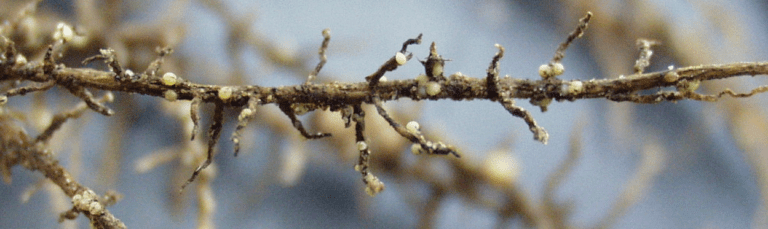
The Ontario Ministry of Agriculture, Food and Rural Affairs (OMAFRA) is conducting a nematode survey to track Soybean Cyst Nematode (SCN) populations and other nematode species. This survey aims to update provincial nematode distribution maps and establish baseline data, aiding in the development of enhanced Best Management Practices (BMPs) for crop production.
Participation in the nematode survey is free and straightforward. Farmers can submit soil samples for nematode testing, which will contribute to valuable data supporting crop health and sustainability in Ontario.
Conclusion
Effective disease and pest management in crops like corn and soybeans require timely actions, informed fungicide applications, and ongoing surveillance for resistance. By integrating these practices, farmers can optimize their yield and maintain crop health in the face of evolving agricultural challenges.