Assessing the Impact of Recent Flooding on Corn and Soybean Crops and Planning for the Future
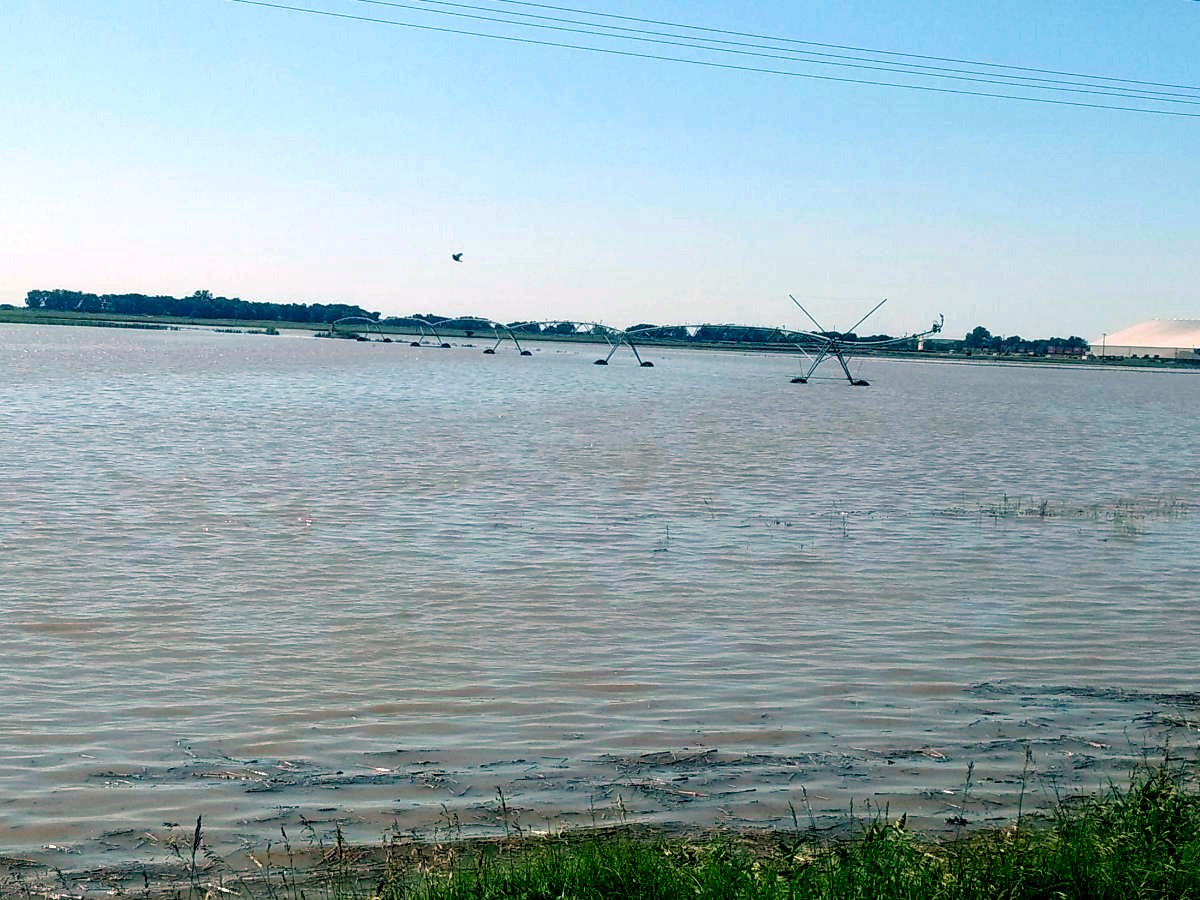
Recent severe storms in eastern Nebraska have brought significant rainfall, causing widespread flooding and leaving farmers with pressing questions about the survival of their corn and soybean crops. With reports of three to over seven inches of rain overnight, many areas are still waiting for waters to recede to assess the extent of the damage. In this article, we explore how long corn and soybeans can endure standing water and offer guidance on how to manage the aftermath of flooding.
How Flooding Affects Corn and Soybeans
The resilience of corn and soybean plants under flood conditions depends on several factors, including the growth stage of the crop, the duration of flooding, soil and air temperatures, and the effectiveness of field drainage. Here’s a detailed look at how different stages of crop development are affected by standing water:
Corn
- Prior to V6 (Early Vegetative Stage):
- Survival Duration: Corn plants can tolerate being under water for 2 to 4 days if temperatures do not exceed 77°F (25°C).
- Impact: If flooding persists beyond this period, plants may suffer from reduced nutrient uptake and potential yield losses as the waterlogged soil hampers root function and plant respiration.
- V7—V10 (Mid-Vegetative to Early Reproductive Stage):
- Survival Duration: Corn can survive up to 7 to 10 days underwater if temperatures do not exceed 86°F (30°C).
- Impact: Prolonged flooding at this stage can lead to reduced nutrient uptake, impaired pollination, and potential yield losses as plants approach the reproductive phase.
- VT—R1 (Tasseling to Silk Stage):
- Survival Duration: If standing water is present for more than 2 to 4 days, expect reduced nutrient uptake and possible impacts on pollination.
- Impact: Extended flooding can severely affect corn yield and plant health, with risks of nutrient deficiencies and increased vulnerability to diseases.
Soybeans
- Less Than 48 Hours Flooded:
- Impact: Soybeans experience minimal yield loss if flooding lasts less than 48 hours.
- 4 to 5 Days Flooded:
- Impact: Flooding of 4 to 5 days can result in fewer nodes and shorter plants, potentially affecting yield.
- 6 Days or More Flooded:
- Impact: Prolonged flooding can cause significant stand and yield loss, especially if it occurs during the flowering stage. The longer the water remains, the greater the potential for yield reduction.
- At Flowering Stage:
- Impact: Soybeans are particularly susceptible to yield losses during flowering, especially in poorly drained soils.
Key Considerations for Farmers
As you await the receding of floodwaters, consider these crucial steps:
- Document the Damage:
- Keep detailed records and take photos of the affected fields. This documentation is essential for discussions with your crop insurance adjuster to determine if a crop loss claim is necessary.
- Monitor Soil Conditions:
- After the water subsides, assess soil oxygen levels, as prolonged saturation depletes oxygen and stresses plant roots. Mud or soil on plants can also reduce photosynthesis and increase disease risks.
- Plan for Potential Crop Failures:
- If crops do not recover, consider alternative strategies such as planting forage crops, cover crops, or small grains in the fall to stabilize the soil, reduce erosion, and provide additional forage.
Expert Insights
Bob Nielson, a Purdue University extension agronomist, highlights additional considerations for flooded corn crops:
- Complete Submersion vs. Partial Submersion: Completely submerged plants face higher risks than partially submerged ones.
- Soil Oxygen and Root Stress: Soil oxygen depletion within 48 hours leads to root stress and potential disease development.
- Disease Risks: Flooded conditions can increase susceptibility to diseases such as common smut and root rots.