Large-Scale Wheat Monitoring in Rostov: Scope and Implications
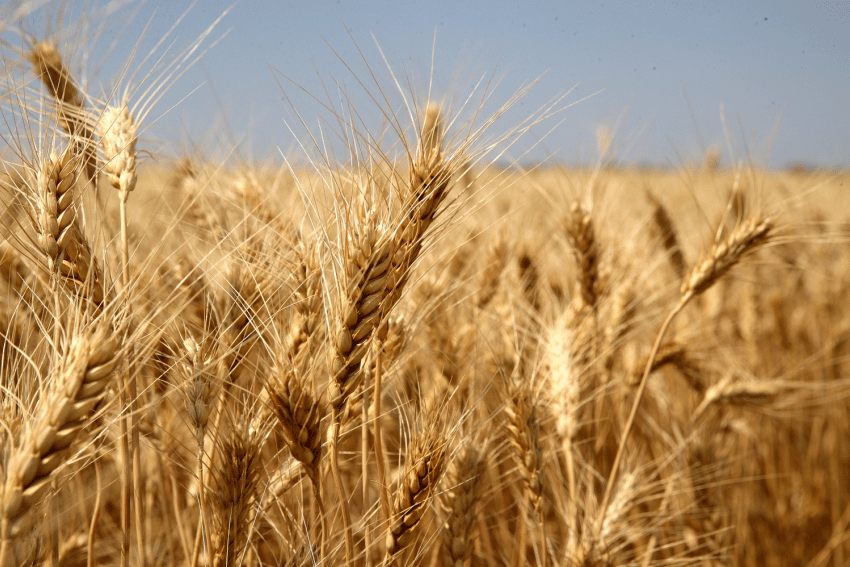
The Federal Center for Agricultural Product Safety and Quality, under the direction of Rosselkhoznadzor (Russia’s agricultural oversight agency), will conduct a comprehensive evaluation of the 2025 wheat harvest in Rostov Oblast. This initiative aims to assess the quality and safety of both soft and hard wheat varieties, covering an estimated 11.5 million metric tons of grain.
Key Details of the Monitoring Program
- Sampling & Testing: More than 16,000 grain samples will be collected, with over 300,000 laboratory tests conducted to analyze key parameters such as protein content, gluten levels, moisture, and potential contaminants (e.g., mycotoxins, heavy metals).
- Timeline: The monitoring will run from June to October 2025, coinciding with the harvest and post-harvest storage phases.
- Purpose: The data will help regulators ensure compliance with food safety standards, support export certifications, and provide farmers with insights into crop quality trends.
Why This Matters for the Agricultural Sector
Rostov Oblast is one of Russia’s top wheat-producing regions, contributing significantly to domestic supply and global exports. With Russia being the world’s largest wheat exporter (projected 50+ million tons in 2024/25, according to USDA), maintaining grain quality is crucial for market competitiveness.
Recent studies indicate that climate variability and soil degradation in Southern Russia could impact wheat protein content—a critical factor for milling and baking quality. This monitoring effort will help identify potential risks early, allowing farmers and agronomists to adjust fertilization, irrigation, and storage practices accordingly.
The 2025 wheat monitoring program in Rostov is more than a regulatory formality—it’s a vital tool for maintaining Russia’s position in the global grain market while supporting local farmers with data-driven insights. Stakeholders should pay close attention to the results, as they may influence pricing, export opportunities, and next-season agronomic decisions.
Error