The year 2024 is proving to be a challenging one for farmers, with reports indicating that this could be one of the worst years for corn harvests in decades. Following disappointing yields from winter crops such as wheat, barley, and buckwheat, corn fields are now facing severe difficulties. Persistent rainfall earlier in the year and a lack of sunshine in recent months have drastically affected crop growth, leaving farmers struggling to manage their operations and finances.
A Challenging Growing Season
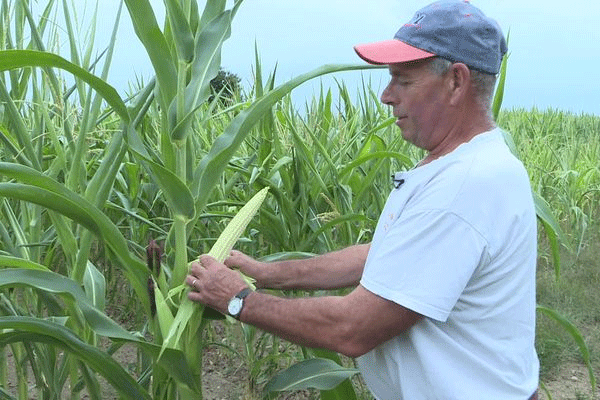
Jean-François Robert, a farmer in the Deux-Sèvres region, describes his corn fields as being in dire condition. Due to excessive rainfall and subsequent drought, many corn plants have failed to reach maturity. “When we look at the ears, they are smaller than usual. The grains are much too small compared to a normal corn plant. Even if they do grow a bit, we’ll end up with poor-quality grain,” Robert explains. He estimates a yield reduction of at least 50% and notes that the lack of water has severely impacted plant height and overall productivity.
The severe weather has also led to delays in planting, with Robert unable to sow his seeds on time due to wet conditions. Once planted, the corn did not receive adequate moisture, leading to further stunted growth. This year’s weather conditions have made it challenging for many farmers to achieve even modest yields.
Financial Strain and Operational Impact
The financial implications of this poor harvest are significant. Robert has had to purchase additional feed for his cattle, replacing the corn that he cannot harvest. He now provides ten kilograms of feed per head, double the usual amount, which has increased his costs substantially. “It costs more to feed them, and it affects our cash flow,” Robert adds. He anticipates spending between €12,000 and €15,000 to cover the shortfall, a burden that his insurance might not fully address due to the late planting.
François Chauveau, Vice-President of the Deux-Sèvres Chamber of Agriculture, shares his concern about the broader impact on the agricultural sector. “This is an exceptional and catastrophic situation for the department. After excessive rainfall and reduced surfaces, we’re seeing very average yields. We’ve been in a drought for over two months, which is particularly affecting livestock farmers. My fear is that we’ll see a liquidation of livestock due to the inability to purchase adequate feed,” Chauveau warns.
Looking Ahead
To reverse the current trend, the agricultural community hopes for a miraculous change in weather conditions. Farmers like Robert are already adjusting their budgets and postponing investments to cope with the financial strain. The current crisis highlights the vulnerability of agriculture to extreme weather events and the need for robust strategies to mitigate such risks.
The 2024 corn crisis underscores the growing challenges faced by farmers due to unpredictable weather patterns and climate change. With yields significantly impacted and costs rising, the agricultural sector must prepare for future uncertainties. The situation calls for improved weather forecasting, adaptive farming techniques, and enhanced support systems to help farmers navigate these difficult times.
Error